



 1.jpg)
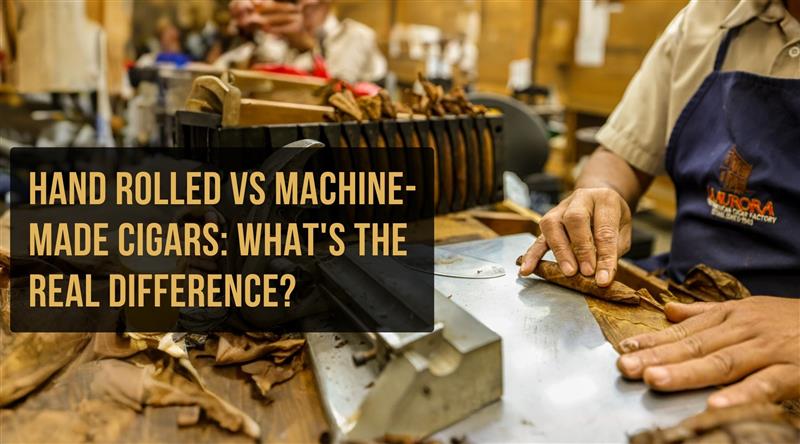
For many cigar smokers, the phrase hand-rolled cigar instantly brings to mind tradition, craftsmanship, and premium quality. On the other hand, machine-made cigars often get dismissed as inferior without much thought.
But the truth is, the difference between the two is more nuanced than most people realize.
Understanding how cigars are made matters because it affects everything — flavor, construction, consistency, aging potential, and the overall smoking experience. Instead of relying on labels alone, this guide breaks down what truly separates hand-rolled premium cigars from machine-made options, and how those differences shape what ends up in your humidor.
What Is a Hand-Rolled Cigar?
A hand-rolled cigar is crafted entirely by skilled cigar rollers, known as torcedores, using whole tobacco leaves. Every step — from bunching the filler to applying the wrapper — is done by hand with precision and experience.
Most premium hand-rolled cigars come from traditional cigar-producing regions such as:
- The Dominican Republic
- Nicaragua
- Honduras
- Cuba
Handmade cigars rely on human craftsmanship, not assembly-line automation, which allows for complexity and artistry that machines cannot replicate.
What Makes Hand-Rolled Cigars Stand Out?
- Made with long-filler tobacco (whole leaves running the full length)
- Wrapped with natural leaf wrappers applied by hand
- Slight variation between cigars, because natural materials are never identical
- Greater depth, balance, and aging potential
Premium handcrafted Dominican cigars online, especially those from legacy brands like La Aurora, are known for refined flavor transitions and smooth complexity built through careful fermentation and expert blending.
What Is a Machine-Made Cigar?
Machine-made cigars are produced using automated equipment that bunches and wraps tobacco at high speed. These cigars typically use short filler tobacco, meaning chopped or shredded tobacco rather than whole leaves.
Some machine-made cigars also use homogenized wrappers, created from reconstituted tobacco material instead of natural leaf.
Machine production prioritizes efficiency, uniformity, and affordability rather than nuance.
Common Features of Machine-Made Cigars
- Short filler or mixed filler tobacco
- Highly consistent appearance and draw
- Large-scale, rapid production
- Limited aging potential
Many machine-made cigars are flavored or infused to enhance appeal and mask inconsistencies in tobacco quality.
Tobacco Selection: The Foundation of the Difference
Hand-Rolled Cigars and Long-Filler Tobacco
Hand-rolled cigars almost always use long-filler tobacco, which consists of whole leaves carefully sorted and arranged for optimal airflow and burn.
Long filler provides:
- Even combustion
- Layered, evolving flavors
- Greater blending precision
This is why luxury cigar makers in the USA and abroad emphasize tobacco origin, priming levels, and fermentation methods when producing premium blends.
Machine-Made Cigars and Short-Filler Tobacco
Machine-made cigars often rely on short filler because it’s easier to process quickly and consistently.
Short filler tends to:
- Burn faster and hotter
- Deliver simpler, more straightforward flavors
What it lacks is the precision and complexity possible with long-filler construction.
Construction and Craftsmanship
The Human Element in Hand-Rolled Cigars
Every handmade cigar reflects the skill of the torcedor behind it. Rollers spend years mastering airflow, density, and draw resistance.
Hand rolling allows for:
- Adjustments based on leaf texture and moisture
- Complex shapes like figurados
- More intricate craftsmanship
This expertise is especially visible in traditional formats that machines struggle to replicate consistently.
La Aurora’s torcedores, for example, undergo extensive training, and only a select few are trusted to craft their iconic doble figurado cigars.
Precision and Uniformity in Machine Production
Machines excel at consistency. Every cigar is nearly identical in size, weight, and appearance.
For casual smokers, that predictability can be a benefit.
However, machines cannot respond to the natural variation of tobacco leaves, and that uniformity often comes at the cost of complexity and character.
Flavor, Body, and Smoking Experience
Flavor Development in Hand-Rolled Cigars
Hand-rolled premium cigars are designed to evolve throughout the smoke. The way filler leaves are arranged creates transitions from the first third to the final third.
Smokers often experience:
- Flavor layering and progression
- Balanced body and strength
- Greater aroma depth during retrohale
This is why cigar enthusiasts enjoy discussing tasting notes like cocoa, cedar, spice, leather, or cream.
Flavor Simplicity in Machine-Made Cigars
Machine-made cigars typically deliver a more linear flavor experience — what you taste at the beginning is often what you taste throughout.
To compensate, many include:
- Flavor infusions
- Sweetened tips
- Aromatic wrappers
These additions can make them approachable, but they often place the tobacco itself in the background.
Aging Potential: Why Storage Matters More for Hand-Rolled Cigars
Hand-rolled cigars are built to age. With proper storage in a cigar humidor, flavors can mellow, deepen, and blend beautifully over time.
Aging works best because of:
- Long-filler tobacco
- Natural wrappers
- Moisture retention and fermentation stability
Machine-made cigars, by contrast, are usually intended for quick enjoyment. Aging rarely improves them significantly due to their filler composition and wrapper materials.
This is why collectors searching for handmade Dominican cigars for sale in the USA often prioritize brands with strong aging potential.
Consistency vs Character
Machine-made cigars offer reliability — every cigar behaves almost exactly the same.
Hand-rolled cigars offer individuality. Minor variations are normal and often considered part of the charm.
For experienced smokers, that character is part of what makes premium cigars special.
Price Differences Explained
Hand-rolled cigars cost more because of:
- Skilled labor
- Longer production time
- Higher-quality tobacco
- Smaller, controlled batches
Machine-made cigars are more affordable because automation reduces labor and increases volume.
Price doesn’t automatically determine enjoyment, but it does reflect how the cigar was made and what the priorities were.
Which One Is Better?
Neither style is universally “better.” It depends on what you want from the experience.
Hand-Rolled Cigars Are Ideal For:
- Slow, intentional smoking
- Exploring complex flavor profiles
- Aging cigars in a humidor
- Building a premium cigar collection
Machine-Made Cigars Work Well For:
- Convenience and quick enjoyment
- Predictable consistency
- Budget-friendly smoking
Knowing the difference helps you choose based on experience, not just marketing.
Understanding Craft Beyond Labels
The difference between hand-rolled and machine-made cigars isn’t about prestige — it’s about process.
That process shapes how a cigar burns, tastes, and ages.
Hand-rolled cigars offer craftsmanship, depth, and natural complexity. Machine-made cigars provide accessibility, efficiency, and consistency.
Both exist for a reason, and both suit different moments.
For anyone exploring premium cigar culture, understanding these distinctions helps you smoke smarter — whether you’re relaxing with a classic Dominican puro or reaching for something quick and convenient.
Legacy producers like La Aurora, known among the best Dominican cigars, remain a perfect example of true hand-rolled tradition.
Frequently Asked Questions
What is the main difference between hand-rolled and machine-made cigars?
Hand-rolled cigars are crafted by skilled rollers using long-filler tobacco, while machine-made cigars are produced with automated equipment and typically short filler.
Do hand-rolled cigars taste better?
They often provide more complexity and evolving flavors, but taste is always personal.
Are machine-made cigars lower quality?
Not necessarily — they’re simply designed for consistency and convenience rather than depth and aging potential.
Can machine-made cigars be aged?
Most do not benefit significantly from aging due to their filler and wrapper construction.
Why are hand-rolled cigars more expensive?
The cost reflects skilled labor, premium tobacco selection, and longer production time.
Which should beginners choose?
Beginners often start with milder hand-rolled cigars or machine-made options depending on budget and curiosity.
Comments