


- Abuse & The Abuser
- Achievement
- Activity, Fitness & Sport
- Aging & Maturity
- Altruism & Kindness
- Atrocities, Racism & Inequality
- Challenges & Pitfalls
- Choices & Decisions
- Communication Skills
- Crime & Punishment
- Dangerous Situations
- Dealing with Addictions
- Debatable Issues & Moral Questions
- Determination & Achievement
- Diet & Nutrition
- Employment & Career
- Ethical dilemmas
- Experience & Adventure
- Faith, Something to Believe in
- Fears & Phobias
- Friends & Acquaintances
- Habits. Good & Bad
- Honour & Respect
- Human Nature
- Image & Uniqueness
- Immediate Family Relations
- Influence & Negotiation
- Interdependence & Independence
- Life's Big Questions
- Love, Dating & Marriage
- Manners & Etiquette
- Money & Finances
- Moods & Emotions
- Other Beneficial Approaches
- Other Relationships
- Overall health
- Passions & Strengths
- Peace & Forgiveness
- Personal Change
- Personal Development
- Politics & Governance
- Positive & Negative Attitudes
- Rights & Freedom
- Self Harm & Self Sabotage
- Sexual Preferences
- Sexual Relations
- Sins
- Thanks & Gratitude
- The Legacy We Leave
- The Search for Happiness
- Time. Past, present & Future
- Today's World, Projecting Tomorrow
- Truth & Character
- Unattractive Qualities
- Wisdom & Knowledge






FOLLOWERS
0
Users
Outlooks & Setbacks Saturdays
Generosity
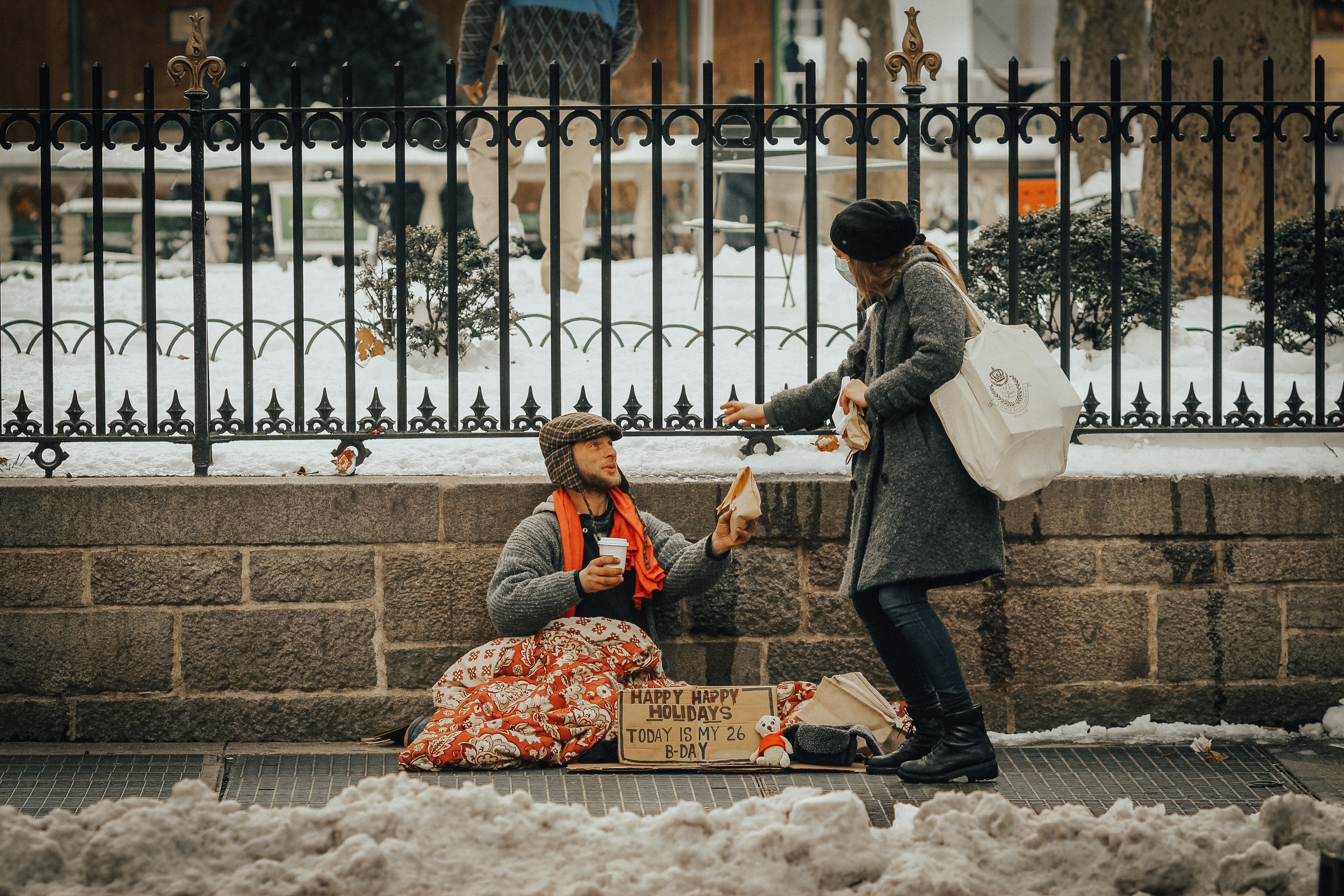
I believe that generosity is one of the biggest killers of bad attitudes. When we choose to be generous, it is very hard to remain negative!
Generosity does something to our hearts and minds that is actually very hard to explain. It makes us see how much we have to be grateful for; somehow it actually blesses us (as the giver) almost more than it blesses the person receiving the generosity.
Generosity can look like a million different things. We often think of generosity in terms of financial generosity, but it can be so much more than that. We can be generous with our willingness to listen to other people, generous with our time, generous with sharing our skill sets, generous with hospitality, generous with our encouragement, or generous with our forgiveness.
When we offer these non-financial gifts, we are essentially building a strong sense of community. Unlike a monetary transaction, giving someone your undivided attention or a word of genuine praise creates a lasting emotional bond. These acts require us to step outside our own bubbles and truly see the needs and humanity of those around us. This shift in focus—from "What do I need?" to "How can I help?"—is incredibly powerful. It forces our brains to prioritize positive attitudes rather than negative ones.
Furthermore, practicing this kind of radical kindness serves as an antidote to negativity. It is nearly impossible to be bitter or cynical when you are actively looking for ways to uplift someone else. Generosity isn't just a gift to the recipient; it is a discipline that refines our own character and brightens our perspective on the world.

Interesting Fact #1
Everybody is searching for happiness. And the messages all around us try to tell us how we can find it. We see it on our Instagram feeds: Buy this skin product, and you will be happy. We see it in movies: Find the perfect relationship, and you will be happy. It’s all over billboards on our morning commutes: Go to this sunny destination, and you will be happy.
Interesting Fact #2
In another study by the Clinical Psychological Science journal, a total of 77 adults—ages 18 to 44—participated in a daily questionnaire. They were asked to list the stressful elements of their day. Then, they were asked to record any helpful behaviours or acts of kindness they did and the emotions they felt when doing them.
Interesting Fact #3
In a study done by Utah State University, it was found that spouses with high amounts of generosity reported higher levels of happiness in their marriage compared to those with lower amounts.
Quote of the day
“There is no exercise better for the heart than reaching down and lifting people up.” ― John Holmes
Article of the day - Giving Is Good For You
I grew up with generous parents. They often opened their home to extended-stay guests. A friend would be going through a divorce and needed a place for a few weeks while looking for an apartment, or a meditation teacher would be in town from India, bringing us tiny clay buddhas and new dishes at the dinner table. One year, my parents hosted a violinist who was performing at the local symphony for about a month. I remember watching her play violin at the top of our entryway stairs and being mesmerized by her grace.
I was a teenager struggling with bulimia at the time, unable to get through a day of abstinence, and when the violinist found out, she pulled me aside to tell me that she was in recovery from an eating disorder too. She offered to take me for the summer to Colorado with her—her next performance stop. That summer, the violinist taught me the importance of starting my day with journaling, reading something inspirational, and quiet time. She then took long runs with me along the creek, helping me plan for how I would get through one day at a time. In the afternoons, I watched her play violin. I felt like I was in the book Heidi—healing in the mountains. I grew healthier, learned how to take care of myself, and developed a morning routine I still keep today, 30 years later. This was true generosity.
In Buddhism, generosity — dāna pāramitā — is considered the first perfection of the heart. To give to others opens your heart, and supports your own healing and awakening. I see now that it is likely that that violinist was receiving as much as she was giving by supporting my recovery. I feel the same way in my clinical work now.
3 Forms of Giving
Buddhist psychology describes three forms of generosity:
- Material giving — giving food, money, and shelter.
- Dharma giving —giving mentorship, information and wisdom.
- Fearlessness giving — offering safety and presence to someone who is afraid or hurting.
Fearlessness giving, the kind that the violinist gave to me, is the considered to be the deepest kind. Being present to hear someone’s story of loss, sitting elbow-to-elbow with a child who‘s struggling to get their homework done, or encouraging a friend to get help when they are in a relapse are acts of generosity. It’s not just money we can give; we can offer our time, social support, comfort, and care.
The Science of Generosity
Humans evolved to be generous. Our brains, hormones, and nervous systems are built for caregiving because generosity strengthens our survival as a group. When we care for each other, we all thrive. Research shows what you probably already know experientially: Being generous is good for you, physically and mentally:
- People who give social support have better blood pressure, hearing, and sleep (Brown et al., 2005).
- Older volunteers who volunteered with two or more organizations were 63% less likely to die over a five-year study period (Oman et al., 1999).
- Patients with end-stage renal disease who gave support to friends and family lived longer than those who only received support (McClellan et al., 1993).
Even toddlers are naturally generous. Children as young as twelve months will help someone reach a dropped object. Every year my children save peanut butter cups for me in their Halloween bag–and I think they enjoy giving them to me even more than getting them for themselves.
Generosity feels good and is good for us.
When We Don’t Give What We Have
But we’re not always generous. When we believe that we don’t have enough, are rushed for time, or fail to get behind the eyes of others, we are less likely to give. The violinist felt my distress, and took the time to see how she could help alleviate it: She was attuned to me like she was attuned to her instrument.
Too often we are rushing through life trying to accumulate more stuff, feel happier, and avoid discomfort. We look away from people in need, don’t have time to feel, and avoid talking about addiction, illness, poverty, and loss. The result? We give less and miss out on the gifts of giving, connecting, and being of service. We want to give, but we don’t create conditions to support generosity.
4 Conditions to Support Generosity
There are simple, science backed ways to increase your motivation to give.
- Gratitude. When you recognize that you already have what you need, you are more willing to give what you have. Practice appreciating and savoring the abundance in your life, and you will be more likely to give some of it away.
- Compassion. People who feel others’ pain are more generous with strangers. Compassion doesn’t mean drowning in pain; it means staying open so that you can do something to help. Rather than looking away when you notice hardship, stay present with it and ask yourself: What do I have to offer here?
- Awe. Experiences of awe are associated with greater generosity. In one study, people who stood under eucalyptus trees for one minute were more likely to help a stranger who dropped pens than those who looked at a building (Piff et al., 2015). Take time in nature, open your mind to wonder, and notice how when you do, you feel more motivated to give.
- Interbeing. Generosity is a flow. We’ve all been on both sides of it—receiving help and offering it. When you see it as a flow, you stop holding so tight to things and start circulating goodness.
To paraphrase the Diamond Sutra, a gift should be given without attachment to the giver, the receiver, or the gift itself.
Small Generosity Practices
- Remind yourself of how much you already have, and share a little of it.
- Ask someone how they are, and really listen.
- Step outside and look up at a tree. Just its presence is a gift.
- Give fearlessly of your attention, comfort, and care to someone simply because you can.
When you give freely, you affirm your own abundance.
When you offer compassion, you heal both ways.
When you let generosity flow, you’re practicing wise effort — using your energy in ways that are regenerative, enlivening, and free.
Question of the day - In what way can you practice generosity today, even if it doesn't involve money?
Positive & Negative Attitudes
In what way can you practice generosity today, even if it doesn't involve money?
Daily archives
Current Survey
Top 5 Contributors (Aug)

20209 pts

12060 pts

10714 pts

10417 pts

10117 pts