


- Abuse & The Abuser
- Achievement
- Activity, Fitness & Sport
- Aging & Maturity
- Altruism & Kindness
- Atrocities, Racism & Inequality
- Challenges & Pitfalls
- Choices & Decisions
- Communication Skills
- Crime & Punishment
- Dangerous Situations
- Dealing with Addictions
- Debatable Issues & Moral Questions
- Determination & Achievement
- Diet & Nutrition
- Employment & Career
- Ethical dilemmas
- Experience & Adventure
- Faith, Something to Believe in
- Fears & Phobias
- Friends & Acquaintances
- Habits. Good & Bad
- Honour & Respect
- Human Nature
- Image & Uniqueness
- Immediate Family Relations
- Influence & Negotiation
- Interdependence & Independence
- Life's Big Questions
- Love, Dating & Marriage
- Manners & Etiquette
- Money & Finances
- Moods & Emotions
- Other Beneficial Approaches
- Other Relationships
- Overall health
- Passions & Strengths
- Peace & Forgiveness
- Personal Change
- Personal Development
- Politics & Governance
- Positive & Negative Attitudes
- Rights & Freedom
- Self Harm & Self Sabotage
- Sexual Preferences
- Sexual Relations
- Sins
- Thanks & Gratitude
- The Legacy We Leave
- The Search for Happiness
- Time. Past, present & Future
- Today's World, Projecting Tomorrow
- Truth & Character
- Unattractive Qualities
- Wisdom & Knowledge






FOLLOWERS
0
Users
Mastery Mondays
When You're Too Busy For A Hobby
For many years of my life I did not value hobbies. I was too busy with other things to take the time to pour into a hobby.
I also have always been the type of person who doesn’t really have a passion for any particular hobby. Both my siblings grew up with passions and hobbies and I always kind of floated around from one thing to the next.
My sister is an amazing artist and loves to spend her time painting. I did not get much talent in the way of fine arts.
My brother has always been into golfing and collecting - so when he has free time, he knows exactly where he’s spending it.
Me, on the other hand, I have never really had a hobby that I have spent any amount of time at. Sure, I like to read and I like to cook but I wouldn’t say that they are any sort of passionate hobby.
I always prioritized work and getting stuff done over spending time on a hobby. However, at this stage of life with small kids, I am learning the necessity of having some sort of hobby to keep my mind busy with.
I have started working on furniture flipping. It might not be a long term hobby for me, but I am finding that I need an outlet where my mind can just wander and not be thinking about the next thing on my to-do list. It’s been really good for my mental health.
If you are the type of person who has never prioritized a hobby because you’ve always been too busy, I would highly recommend scheduling an hour or two a week to spend on something that is just for you!
Interesting Fact #1
People who have hobbies have experiences and stories that they can share with others. They also have specialized knowledge that they can teach to anyone who also has an interest in the same topics as they do.
Interesting Fact #2
It helps to relieve stress by keeping you engaged in something you enjoy. Hobbies give you a way to take your mind off the stresses of everyday life. They let you relax and seek pleasure in activities that aren’t associated with work, chores or other responsibilities.
Interesting Fact #3
Having a hobby can help your social life and create a bond with others. A hobby is something that you can frequently enjoy with other people. Whether you join a club, play in a league, or just gift others with the fruits of your labor, a hobby is a great way to meet and get closer to people who have the same interests as you do.
Quote of the day
“My personal hobbies are reading, listening to music, and silence.” ― Edith Sitwell
Article of the day - Health Benefits of Hobbies
If you have a hobby, you probably love doing it. Hobbies give you a chance to get involved in activities that you enjoy and help you take a load off. Very often, you’ll find yourself looking forward to indulging in your hobby after a stressful day or week at work.
Your hobby could be anything, but just having something that you enthusiastically wait to do fills you with a sense of happiness. Even better, taking time to indulge in what you love doing boosts your physical and mental health.
That said, being a part of a modern society that prizes professional achievements could leave little time to pursue hobbies that appeal to you. This is a major reason why many people find it tough to consistently dedicate time to doing things that they like.
What Is a Hobby?
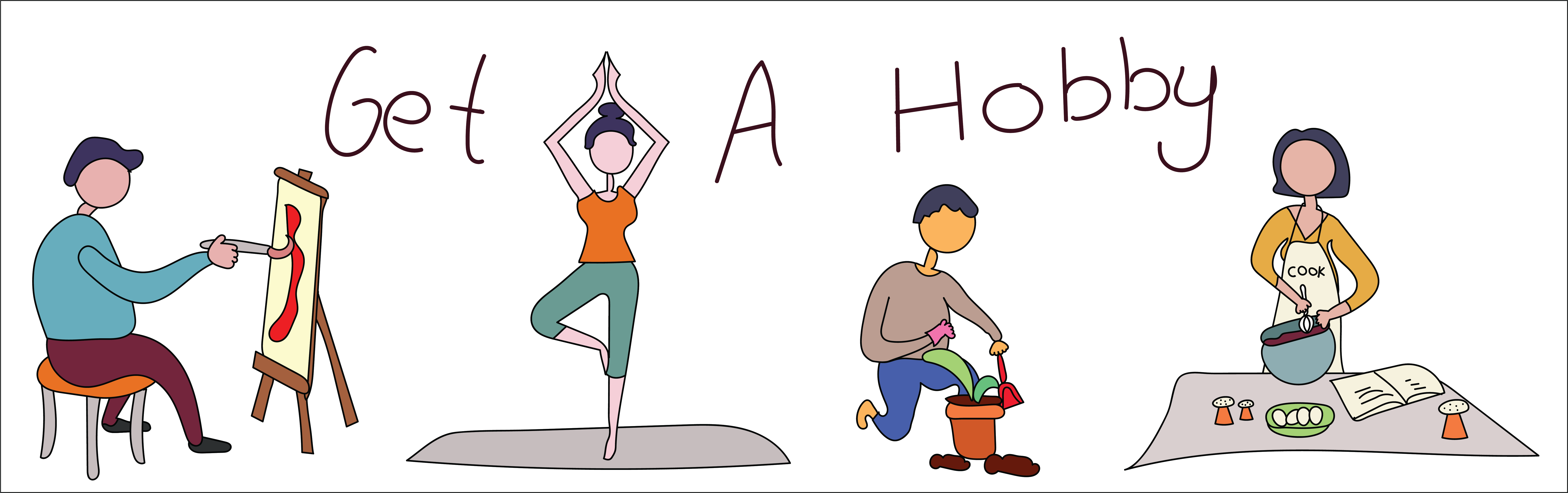
A hobby is any activity that you frequently do for pleasure during your leisure time. This could include creative, athletic, and intellectual activities.
People take up different types of hobbies that interest them, such as dancing, singing, skating, or gardening. Others like quieter activities such as meditation or spending some time closer to nature by taking long walks.
Health Benefits of Hobbies
Research shows that when you take time to do activities that make you happy, it helps improve mental health. Giving quality time to activities that you enjoy also helps your performance in your professional life. It improves your creative problem-solving abilities and helps you build better relationships with your coworkers and makes you more empathetic.
Improves Overall Well Being
A study in New Zealand found that participating in activities that bring out your creative side leads to an increased sense of well-being that is good for you in the long term. The people who were involved in the study felt a sense of positivity and upliftment after a few days of creative activity.
Studies have also shown that individuals that regularly take time off for their hobbies are less likely to feel low or depressed. In fact, such activities can make you happier and more relaxed.
Reduces Stress
Keeping yourself engaged during your leisure time lowers your stress levels. Research found that adults who took out time to practice art found the time they spent to be relaxing, enjoyable, and helpful. They also shared that the session led to an increased desire to continue improving their skills.
More importantly, the cortisol levels of the participants who took part in this study were measured before and after these sessions. The study found that there was a noticeable decrease in cortisol levels after the sessions. Cortisol is the human stress hormone, and your body’s stress response is linked to a spike in cortisol levels.
Promotes Mental Health
Having a hobby leads to improved mental health. If your hobby involves physical activity, it’ll lead to reduced stress and a lower blood pressure and heart rate. A study that measured both positive and negative psychological stress found that those who took time frequently to do leisure activities that they enjoyed had lower blood pressure, waist circumference, and BMI.
Taking your physical activity outdoors or, better still, closer to nature has many benefits such as improved mood and better focus. You can achieve this by spending just 10 minutes outdoors.
Another study found that those who took part in physical activities went through fewer days of poor mental health compared to those who did not exercise.
Meanwhile, challenging your brain by taking up intellectually rewarding activities not only helps improve your brain activity but also increases your confidence. Learning new skills such as wood crafting or quilting also helps you contribute to people’s lives by sharing your expertise with others.
Improves Relationships
Finding like-minded people who enjoy doing the same activities as you could have added benefits. Research shows that doing activities in groups such as team sports or volunteering for a cause that you care about helps enhance your communication skills and build healthy relationships with others.
Many people go through a sense of loneliness at different phases in their lives. While this feeling is not too problematic, having it for a prolonged duration is unhealthy and could lead to poorer physical, mental, and cognitive health. It’s also linked to other medical conditions such as obesity, blood pressure, and high cholesterol. A study found that a dearth of social activity for a long duration is almost as bad as smoking 15 cigarettes a day.
One of the main reasons why hobbies are important is that they can provide the benefits of doing group activities, especially those that you enjoy doing. This could help overcome any sense of loneliness and also reduces your chances of mortality by as much as 50%.
How to Make Time for Hobbies
A common reason given by many for the inability to take up hobbies is a lack of time. Most people are inclined to prioritize their work over hobbies whenever there’s a choice between the two. It’s important to make time for activities that you love, though, by keeping the following things in mind:
- Instead of trying to take out time every day to do an activity that you like, it’s better to take a long-term approach and find gaps in your schedule that you can fill. Even if you’re unable to do it every day, allocate a few hours every week or every month for such activities.
- There’s increasing research that supports taking multiple small breaks during your work to improve productivity. You can indulge in activities that you enjoy, such as reading, tending to your garden, or listening to your favorite podcast during these breaks.
- Many times, when you work, the hours tick along without you noticing, or you spend a lot of time on social media or television. Understand what’s taking up most of your time and whether you can utilize some of it to do things that you truly enjoy doing.
Question of the day - What is your favorite way to spend time by yourself?
Passions & Strengths
What is your favorite way to spend time by yourself?
Daily archives
Current Survey
Top 5 Contributors (Mar)

20209 pts

12060 pts

10714 pts

10417 pts

10117 pts