




⚕️ Health Considerations and Essential Facts for Breast Augmentation
Choosing breast augmentation is a significant decision that requires a thorough understanding of both the immediate surgical risks and the long-term health implications. Modern implants in riyadh(زراعة الثدي في الرياض) are generally safe, but they are medical devices that necessitate a lifetime of monitoring and carry specific, measurable risks that every patient must be aware of to make an informed choice.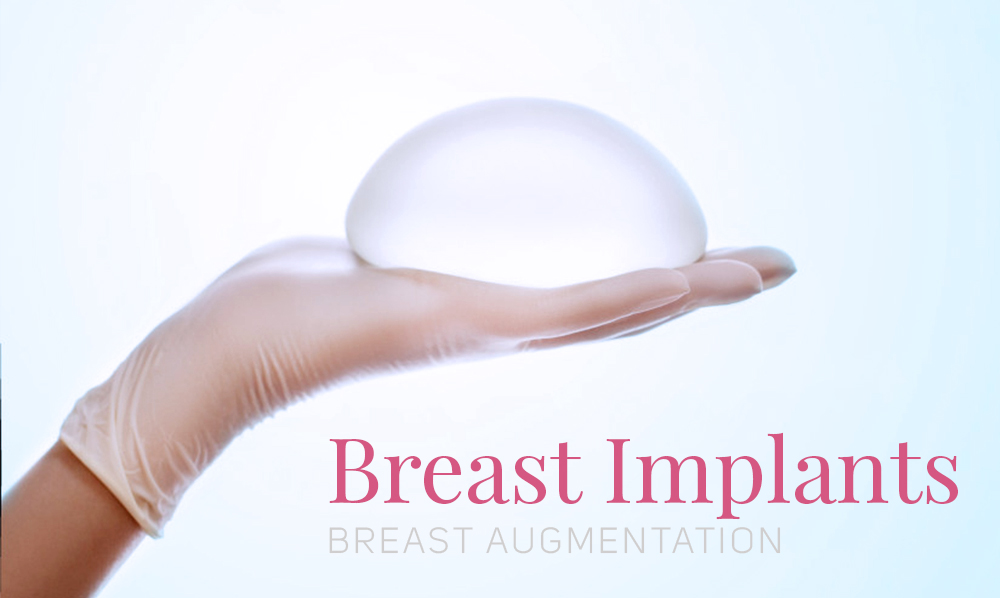
1. Safety Facts and Common Local Complications
Breast augmentation is an established procedure, but the presence of a foreign body (the implant) carries risks specific to the local breast area.
Capsular Contracture
- Fact: This is the most common long-term complication, occurring when the scar tissue (capsule) that naturally forms around the implant tightens and squeezes the implant.
- Result: It can cause the breast to feel abnormally hard, change shape, and in severe cases, be painful. The risk is lower with submuscular placement and strict adherence to anti-contamination protocols during surgery.
- Treatment: Requires surgical revision, often involving the removal of the scar capsule (capsulectomy) and sometimes implant replacement.
Implant Rupture and Leakage
- Fact: Breast implants are not lifetime devices; they typically last about 10 to 15 years, and the risk of rupture increases over time.
- Silicone Rupture (Silent Rupture): Modern silicone is cohesive ("gummy bear" consistency) and may remain contained within the scar capsule when ruptured, leading to no obvious symptoms. This is why MRI or specialized ultrasound screening is recommended 5–6 years post-op, and every 2–3 years thereafter.
- Saline Deflation: Saline-filled implants deflate quickly when ruptured, as the harmless saltwater is absorbed by the body, making the rupture immediately obvious.
Changes in Sensation
- Fact: The nerves supplying the breast and nipple can be temporarily or permanently affected by the surgery.
- Result: Patients may experience areas of increased sensitivity, decreased sensitivity, or complete numbness in the nipple or breast skin. These changes are often temporary, resolving over months, but can be permanent in some cases.
Malposition, Rippling, and Asymmetry
- Fact: The implant may shift from its intended position (malposition/displacement). Additionally, if the patient is very thin, the edges or folds of the implant may become visible or palpable through the skin, a complication known as rippling or wrinkling.
- Cause: Often due to insufficient natural breast tissue to cover the implant, especially if the implant is too large for the patient's base width.
2. Rare but Serious Health Risks
While statistically rare, two serious health conditions have been linked to breast implants, and comprehensive patient counseling is mandatory.
Breast Implant-Associated Anaplastic Large Cell Lymphoma (BIA-ALCL)
- Fact: BIA-ALCL is a very rare type of non-Hodgkin lymphoma (a cancer of the immune system), not a type of breast cancer, that develops in the fluid or scar capsule around the implant.
- Association: The overwhelming majority of confirmed cases have been associated with textured implants (as opposed to smooth implants), leading to stricter regulations and even recalls of specific textured products globally.
- Symptoms: Typically presents years after surgery (average 8–10 years) with unexplained, sudden swelling of one breast due to a fluid collection (seroma).
- Treatment: When caught early, it is usually cured by surgical removal of the implant and the entire scar capsule (total capsulectomy).
Breast Implant Illness (BII)
- Fact: BII is a term used to describe a wide range of systemic symptoms reported by some individuals with breast implants, regardless of implant type (saline or silicone) or rupture status. It is not yet recognized as a formal medical diagnosis but is actively being studied.
- Symptoms: Reported symptoms are broad and may include chronic fatigue, "brain fog," joint pain, muscle aches, anxiety, hair loss, and rashes.
- Treatment: For many patients, symptoms significantly improve or resolve completely following the removal of the implants (explantation).
3. General Health and Procedural Considerations
These factors affect surgical safety and long-term results.
Impact on Breastfeeding and Cancer Screening
- Breastfeeding: Many people can successfully breastfeed after augmentation, especially with an inframammary (under the breast crease) incision. However, some studies show augmentation may reduce milk production or pose challenges for some individuals.
- Mammograms: Implants do not prevent breast cancer screening, but patients must always inform the mammography technician about their implants. Special displacement views are required to push the implant back and visualize all the native breast tissue, which can slightly lengthen the procedure time.
The Role of Smoking
- Smoking Risk: Smoking and nicotine use is a severe risk factor in cosmetic surgery. It restricts blood flow, significantly increasing the chances of infection, poor wound healing, tissue death, and overall complication rates. Surgeons require strict cessation for several weeks before and after surgery.
Need for Future Surgery
- Reoperation Rate: The longer you have breast implants, the more likely you are to need additional surgery (reoperation). This can be for replacement due to rupture, correction of complications (contracture, malposition), or a breast lift necessitated by natural aging or weight changes.
It is paramount that all candidates engage in a detailed, two-way discussion with a board-certified plastic surgeon, reviewing the risks detailed in the manufacturer's patient labeling and developing a personalized long-term surveillance plan.
Comments