




When professional designers go hunting for assets, they aren't just looking for "cool" models; they are looking for technical reliability and workflow efficiency. A premium gallery differs from a hobbyist site by offering a standardized ecosystem where every asset meets a specific quality threshold. This consistency is vital for studios that need to scale production without the risk of importing "broken" files that require hours of manual cleanup. For any designer aiming for a polished, high-end result, understanding the hallmarks of a top-tier repository is the first step toward a smoother creative process.
Essential Features of Premium 3D Character Galleries for Designers
The backbone of any high-end resource is the quality of its curation, and the essential features of premium 3d character galleries for designers usually start with strict topology requirements. Professional galleries ensure that characters are modeled with "quad-dominant" geometry, which is necessary for high-quality subdivision and smooth animation. Unlike free, unvetted forums where you might find "n-gons" or messy triangles that cause rendering artifacts, premium galleries provide a guarantee of clean edge loops. This technical foundation allows designers to focus on the artistic side of their project—like lighting and composition—rather than troubleshooting why a character’s face is flickering during a render.
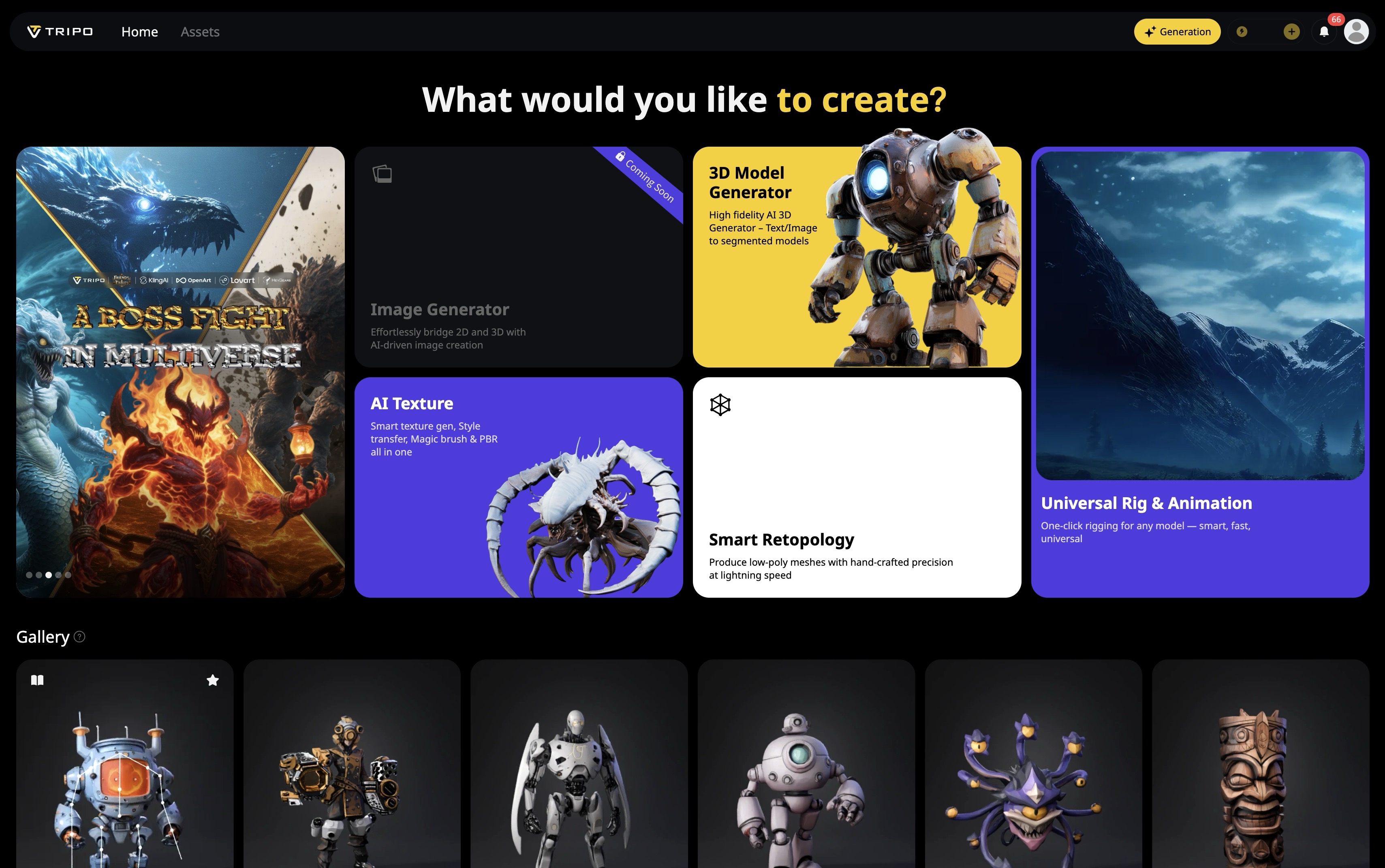
Robust Search and Filtering Systems
Time is often the most expensive resource in a design project. Premium galleries understand this and offer granular search filters that go beyond basic keywords. A top-tier gallery allows designers to filter by polygon count, rig type (e.g., Humanoid, Biped, or Custom), and even specific software compatibility like Blender, Maya, or Cinema 4D. This ensures that you don't waste time downloading a beautiful model only to realize it isn't rigged for the engine you are using. Advanced metadata, such as whether a character includes "Blendshapes" for facial expressions or "PBR" textures, is a standard feature that helps designers make informed decisions in seconds.
High-Resolution PBR Texture Suites
Realism in modern 3D design is largely driven by Physically Based Rendering (PBR). A key among the essential features of premium 3d character galleries for designers is the inclusion of a complete texture suite. This isn't just a single color map; it includes Normal maps for surface detail, Roughness maps for light interaction, and Metallic maps for material properties. Premium assets often provide these textures in multiple resolutions (from 2K to 8K), allowing designers to use the same character for both high-end cinematic posters and optimized real-time applications. Having these maps pre-configured saves hours of material setup and ensures the character looks identical across different lighting environments.
Standardized Rigging and Skinning
A character that looks good but cannot move is essentially a statue. Premium galleries differentiate themselves by providing professionally "weighted" and "skinned" rigs. This means the relationship between the skeletal bones and the 3D skin has been meticulously painted so that when an arm bends, the elbow doesn't look like a crushed soda can. Many premium sites also offer "Auto-Rig" compatibility or use industry-standard skeletons (like the Unreal Engine Mannequin or Unity Mecanim). This standardization allows designers to drag and drop existing animation libraries onto their new characters, enabling them to walk, run, or jump instantly.
Multiple Levels of Detail (LODs)
In professional game development and interactive design, performance is just as important as aesthetics. Premium galleries often provide multiple versions of the same character, known as Levels of Detail (LODs). A high-poly version is provided for close-up shots, while progressively lower-poly versions are included for when the character is further away from the camera. This feature is essential for maintaining a high frame rate in VR or mobile applications. Having these LODs pre-generated by the original artist ensures that the character maintains its visual silhouette and personality even as the complexity of the mesh decreases.
Licensing Clarity and Commercial Rights
One of the most overlooked but critical features of a professional gallery is legal security. Premium platforms provide clear, easy-to-understand licensing agreements that explicitly state how the assets can be used. For designers working on commercial projects, advertisements, or client work, knowing that they have the "Royalty-Free" or "Commercial Use" rights is non-negotiable. This protects the designer and their clients from future copyright disputes. Additionally, premium galleries often offer "Editorial" vs. "Commercial" tags, helping users avoid legal pitfalls when using characters that might resemble protected intellectual property.
Interactive 3D Model Previews
Before clicking the download button, a designer needs to be 100% sure the asset is right. Premium galleries provide interactive 3D viewers that allow users to rotate the model, inspect the wireframe, and see the texture maps in real-time within the browser. Some even offer a "Model Inspector" that reveals the UV layout and the skeletal structure. This transparency is a hallmark of a professional service; it shows the artist has nothing to hide and that the technical quality of the mesh stands up to close inspection. This feature drastically reduces the "buy and regret" cycle that often plagues lower-quality asset markets.
Regular Content Updates and Support
The 3D industry moves fast, with new software versions and rendering techniques emerging every year. A premium gallery is a living ecosystem that is regularly updated with new characters and modern file formats (like USD or glTF). Furthermore, these platforms often provide dedicated technical support. If a file is corrupted or a texture is missing, a professional designer can reach out to a support team for a quick resolution. This "safety net" is invaluable when working under tight deadlines, ensuring that technical glitches don't derail a million-dollar production or a critical client presentation.
Comments