





Learning about religious stories and values can be meaningful for children when presented in an engaging and age appropriate way. Bible trivia activities offer a gentle and interactive method for introducing important lessons, historical events, and moral teachings found in biblical stories. Instead of long explanations, trivia allows children to explore faith based knowledge through questions, discussion, and shared learning experiences.
Parents, teachers, and community leaders often use question based activities to help children remember stories and understand key messages. Resources such as Bible trivia for kids demonstrate how simple questions can make religious learning approachable and enjoyable without overwhelming young learners.
Bible trivia encourages curiosity while helping children build familiarity with important characters, places, and teachings. Through consistent practice, children gain both knowledge and confidence in discussing religious topics.
Why Bible Trivia Works Well for Children
Children learn best through interaction. Trivia turns learning into participation rather than passive listening. When kids answer questions about biblical stories, they actively engage with the material and remember details more easily.
Trivia also introduces repetition in a natural way. Important stories and lessons appear in different questions, reinforcing understanding without feeling repetitive.
Another benefit is accessibility. Bible trivia can be adapted for various ages, making it suitable for families, classrooms, and religious study groups.
Learning Through Story Recall
Many Bible stories are narrative based, which makes them ideal for trivia activities. Questions about characters, events, or lessons encourage children to recall story details.
Story recall strengthens memory and helps children connect actions with moral teachings. Over time, children begin to understand the meaning behind the stories rather than memorizing facts alone.
Creating a Comfortable Learning Environment
Trivia creates a relaxed atmosphere where children feel comfortable participating. Because questions are short and discussions are encouraged, kids feel free to guess answers without fear of being wrong.
This supportive environment helps children develop confidence while learning about faith.
Types of Bible Trivia Activities for Kids
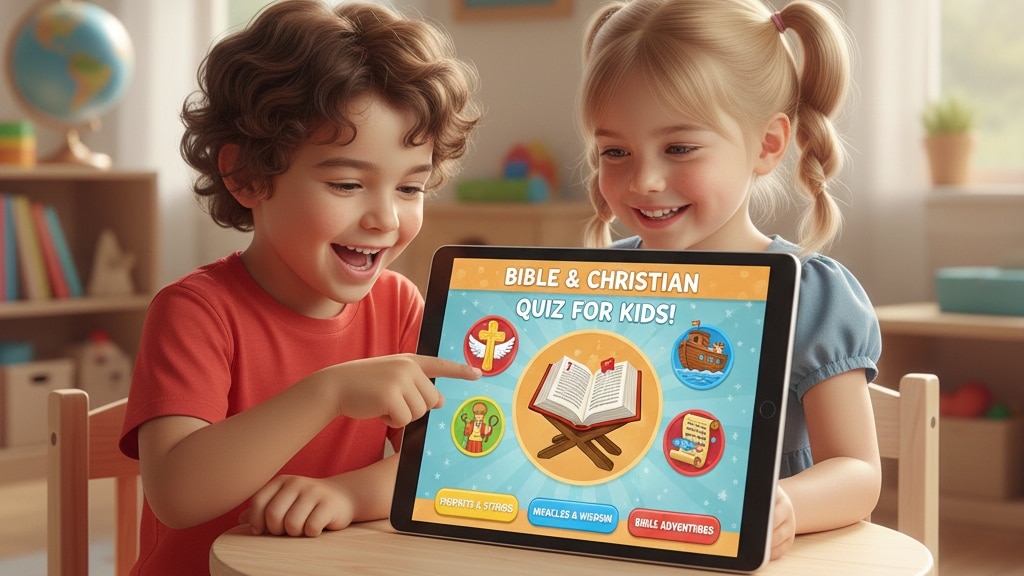
Different formats keep trivia sessions interesting and allow children to learn in various ways.
Character Based Trivia
Questions about biblical figures help children recognize important individuals and their roles in religious history. Topics may include prophets, kings, disciples, and other well known figures.
Character based trivia helps children understand personal qualities such as kindness, courage, patience, and faithfulness.
Story Focused Trivia
Story centered questions encourage children to remember key events from well known passages. Asking about what happened before or after an event strengthens comprehension.
This type of trivia also promotes discussion about the lessons learned from each story.
Lesson and Value Trivia
Some questions focus on the moral teachings found in biblical narratives. These activities encourage children to reflect on values such as honesty, forgiveness, generosity, and compassion.
Discussing answers allows children to connect lessons with everyday behavior.
Holiday and Celebration Trivia
Religious celebrations provide opportunities for themed trivia activities. Questions related to important events help children understand traditions and their meanings.
Holiday trivia connects faith learning with family and community experiences.
Educational Benefits of Bible Trivia
Bible trivia offers more than religious knowledge. It also supports broader learning development.
Memory Development
Repeated exposure to stories through questions improves memory retention. Children remember names, places, and events more easily when information is presented interactively.
Short question formats help reinforce details gradually.
Language and Communication Skills
Answering questions aloud encourages children to express thoughts clearly. Discussions about answers expand vocabulary and improve storytelling abilities.
Children become more comfortable sharing ideas and listening to others.
Critical Thinking Skills
Some trivia questions encourage children to think about causes and outcomes within stories. Reflecting on why events happened promotes reasoning and understanding.
Critical thinking helps children apply lessons to real life situations.
Using Bible Trivia at Home
Families can easily introduce trivia activities into regular routines.
Family Learning Time
Bible trivia during family gatherings creates opportunities for shared reflection and conversation. Parents and children learn together while discussing stories and lessons.
Family participation strengthens bonds while reinforcing faith based knowledge.
Bedtime or Weekly Activities
Short trivia sessions before bedtime or during weekly study time help children review stories consistently. Regular practice builds familiarity with key teachings.
Consistency supports long term learning.
Encouraging Children to Create Questions
Children can be invited to create their own trivia questions after learning a story. This activity encourages deeper understanding because kids must think carefully about important details.
Creating questions also strengthens creativity and comprehension.
Bible Trivia in Group Settings
Church groups and classrooms often use trivia activities to make religious education interactive.
Icebreaker Activities
Trivia questions help children feel comfortable at the beginning of group sessions. Simple questions encourage participation and create a welcoming atmosphere.
Review and Reinforcement
Trivia works well as a review tool after lessons. Students revisit stories in a playful format that strengthens memory without pressure.
Interactive review helps children retain information longer.
Team Based Learning
Group trivia encourages cooperation. Children discuss answers together, learning from each other’s perspectives.
Team activities also build social skills and communication.
Tips for Making Bible Trivia Engaging
Effective trivia sessions focus on clarity and inclusiveness.
Use simple language suitable for the children’s age group. Avoid overly complex questions that may discourage participation.
Balance easy and slightly challenging questions to maintain interest.
Encourage discussion after each answer so children understand the meaning behind the story.
Keep sessions short and interactive to maintain attention.
Celebrate participation rather than focusing only on correct answers.
Long Term Value of Faith Based Trivia Learning
Bible trivia helps children develop familiarity with religious teachings in a gentle and enjoyable way. Instead of viewing learning as a task, children associate faith education with curiosity and conversation.
Over time, repeated exposure builds confidence in discussing stories and values. Children begin to recognize lessons that guide behavior and decision making.
Interactive learning experiences also encourage lifelong engagement with reading, reflection, and discussion.
Frequently Asked Questions
What age is suitable for Bible trivia activities?
Bible trivia can be adapted for many age groups. Younger children benefit from simple story based questions, while older kids can explore deeper lessons and themes.
How often should children practice Bible trivia?
Short sessions once or twice a week are effective. Regular exposure helps reinforce stories without overwhelming children.
Can Bible trivia help children understand values?
Yes, many trivia questions focus on lessons such as kindness, honesty, and forgiveness. Discussing answers helps children connect these values to daily life.
Is Bible trivia suitable for group learning?
Trivia works very well in group settings because it encourages discussion and teamwork. Children learn from one another while sharing ideas.
How can parents make trivia more engaging?
Parents can use storytelling, visuals, and open discussions along with questions. Encouraging children to ask their own questions also increases engagement.
Comments