





Most home upgrades are obvious, like new countertops or a freshly painted exterior. Insulation, however, is hidden behind walls and in attics, making it easy to overlook. Yet, spray foam insulation delivers some of the most tangible improvements a homeowner can experience. The real benefits are things you can see on your utility bill and feel every day: consistently comfortable rooms without hot or cold spots, a noticeably quieter indoor environment, and cleaner air with fewer allergens. It works by creating a complete air seal, stopping energy loss and outside pollutants in a way traditional insulation simply can't match.
This article explores those concrete, day-to-day changes that come from a professional spray foam installation. The information is drawn from the practical knowledge of insulation installers who have spent years in the field, witnessing firsthand how this one upgrade can change how a home feels and performs.
Consistent Comfort in Every Room
One of the most common complaints in homes is temperature inconsistency. You might have a living room that’s perfectly cool, but the upstairs bedrooms are stuffy and warm. Or maybe there’s a constant draft near the windows in the winter. These issues are almost always caused by air leakage. Conditioned air escapes through tiny gaps in the building envelope, while outside air seeps in.
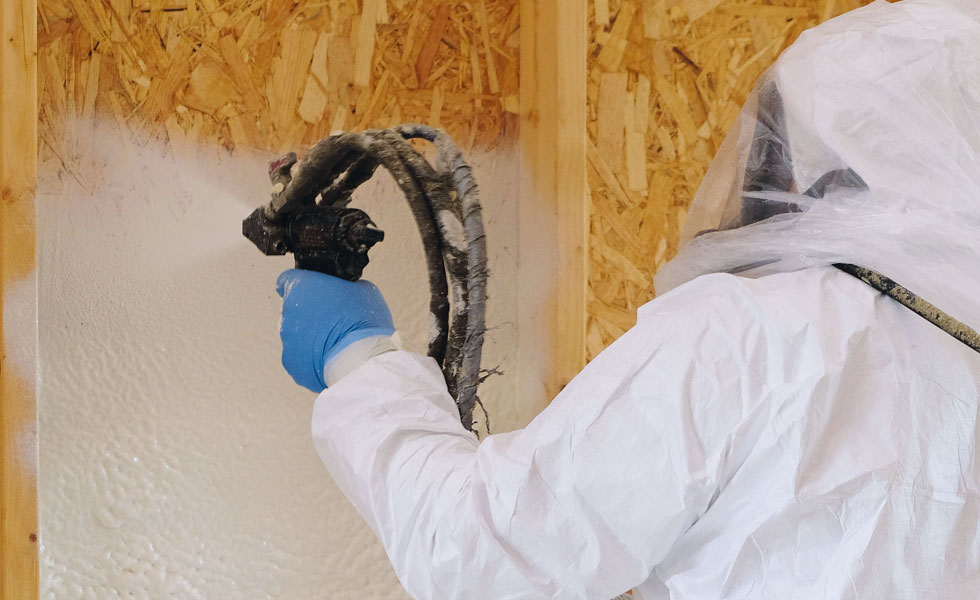
Spray foam solves this by expanding to fill every single crack, crevice, and cavity. It creates a solid, continuous air barrier that stops this air exchange.
- No More Hot or Cold Spots: By preventing air from moving through the walls and attic, the temperature you set on your thermostat is the temperature you get, evenly distributed throughout the house.
- Eliminates Drafts: The seal created by spray foam means drafts from around electrical outlets, window frames, and foundation sills are a thing of the past.
- Reduces HVAC Strain: When a home maintains a stable temperature, the air conditioner or furnace doesn't have to cycle on and off as frequently. This not only saves energy but also reduces wear and tear on the system.
Bonus Tip: A simple way to check for air leaks is the "incense test." On a breezy day, carefully move a lit incense stick around window frames, exterior doors, and recessed lighting. If the smoke wavers or is drawn in a direction, you’ve found an air leak.
A Noticeably Quieter Home Environment
An often-unexpected benefit of spray foam insulation is its excellent sound-dampening ability. The same properties that block airflow also disrupt the movement of sound waves. This can make a huge difference in the peacefulness of a home.
Open-cell spray foam is particularly effective at absorbing sound. Its soft, pliable texture soaks up airborne noise, much like acoustic panels in a recording studio. This helps reduce:
- Outdoor Noises: The sounds of traffic, loud neighbors, or lawnmowers are significantly muted.
- Indoor Noises: Sound traveling between rooms is lessened. It can also quiet the noise from plumbing pipes inside walls.
Many homeowners are surprised by how much calmer their home feels after an installation. It’s a quality-of-life improvement that goes beyond just energy savings.
Cleaner Air and Fewer Allergens
The air quality inside a home can be two to five times more polluted than the air outside, according to the Environmental Protection Agency. This is largely because allergens, dust, and pollutants from outdoors infiltrate the home through the same cracks and gaps that cause energy loss.
Because spray foam creates an airtight seal, it acts as a barrier, preventing these airborne particles from getting inside. For families with allergies or asthma, this can be a major relief. Furthermore, closed-cell spray foam is waterproof and impermeable to moisture. By keeping moisture out of the wall cavities, it helps prevent the growth of mold and mildew, which are common triggers for respiratory issues. The result is a healthier indoor environment that you can feel with every breath.
A Visual Comparison of Insulation Solutions
While all insulation is meant to improve a home, spray foam addresses a wider range of common problems in a more complete way. The table below shows how it tackles issues that other insulation types may only partially solve.

Things to Consider Before Making a Decision
To get these results, the project needs to be approached correctly. Spray foam is a sophisticated building material, and its performance depends entirely on proper application.
The Critical Role of Professional Installers
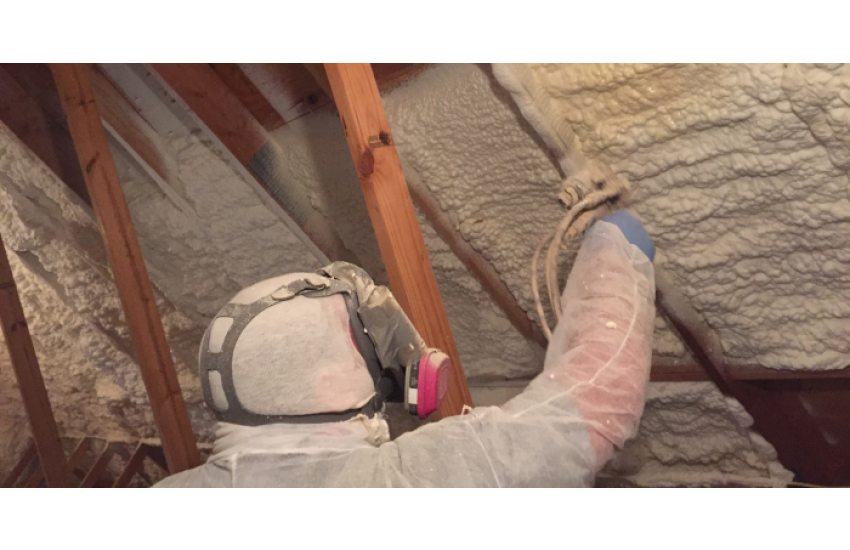
This is not a do-it-yourself project. The two chemical components of spray foam must be mixed at a precise ratio and kept at specific temperatures and pressures. A professional crew is trained to manage this equipment, ensure the foam is applied to the correct thickness, and work safely. Companies like Prestige Insulation Solutions invest in training their technicians to understand the building science behind the application, ensuring the final product performs as expected.
Open-Cell vs. Closed-Cell Foam
There are two primary types of spray polyurethane foam, and each has its place.
- Open-Cell: Cheaper per board foot, excellent for sound deadening, and allows water to pass through it, which can help identify roof leaks.
- Closed-Cell: More expensive, has a higher R-value per inch, adds structural rigidity, and acts as a vapor barrier, making it ideal for crawl spaces and areas prone to moisture.
An experienced contractor will be able to recommend the right product for different areas of the house.
Bonus Tip: Before insulating, it's a good idea to have an energy audit performed. This can pinpoint the exact sources of energy loss in your home, allowing you to target the areas that will give you the biggest return on your investment.
Questions People Ask About Spray Foam Improvements
Will spray foam eliminate all dust in my home?
It won't eliminate dust created inside the home from pets, fabrics, and daily life. However, by sealing air leaks, it dramatically reduces the amount of external dust, pollen, and pollutants that can enter from the outside.
Can I install spray foam in just one area, like the attic?
Yes, and insulating the attic is often the single most effective place to start. Since heat rises, a poorly insulated attic is a major source of energy loss in the winter and heat gain in the summer.
Does spray foam add structural strength to my home?
Closed-cell spray foam becomes very rigid when it cures. When applied in wall cavities or to the underside of a roof deck, it acts like a glue, adhering to the studs and sheathing and adding significant racking strength to the structure.
Is the smell of spray foam permanent?
No. There is a distinct odor during the application and curing process. Professional installers use powerful ventilation systems to manage this. Once the foam is fully cured, typically within 24 hours, it is inert and odorless.
How soon will I notice a difference?
The improvements in noise reduction and the elimination of drafts are often noticeable immediately after the installation is complete. You will see the impact on your energy bills starting with the very next cycle.
An Investment in Daily Comfort and Health
Ultimately, choosing expert spray foam insulation is about more than just saving money. It’s an investment in the day-to-day comfort, health, and quiet enjoyment of your home. By creating a superior thermal and air barrier, it addresses the root causes of many common household frustrations, from drafts and high energy bills to outside noise and poor air quality. To make the best decision, consider the specific problems you want to solve in your own home and how a complete insulation solution can address them.
Get a Professional Opinion on Your Home's Needs
Understanding how spray foam can specifically improve your property is best done with an on-site evaluation. A professional can assess your current insulation, identify problem areas, and provide a clear plan of action. For homeowners looking for a detailed consultation, companies like Prestige Insulation Solutions offer expert evaluations. They can be reached at (850) 429-4969 or by email at [email protected] to discuss your home improvement goals and find the right solution for your needs.
Author: Rene Zamarripa is a spray foam installer with 17 years of experience in the insulation industry, starting with Key Insulation in 2008. He now owns his own insulation company, focusing on high-quality residential and commercial applications.
Reviewer: Benjamin Lee has worked in the spray foam industry for over 13 years, specializing in helping insulation businesses improve their technical processes and connect with local clients.
Comments