




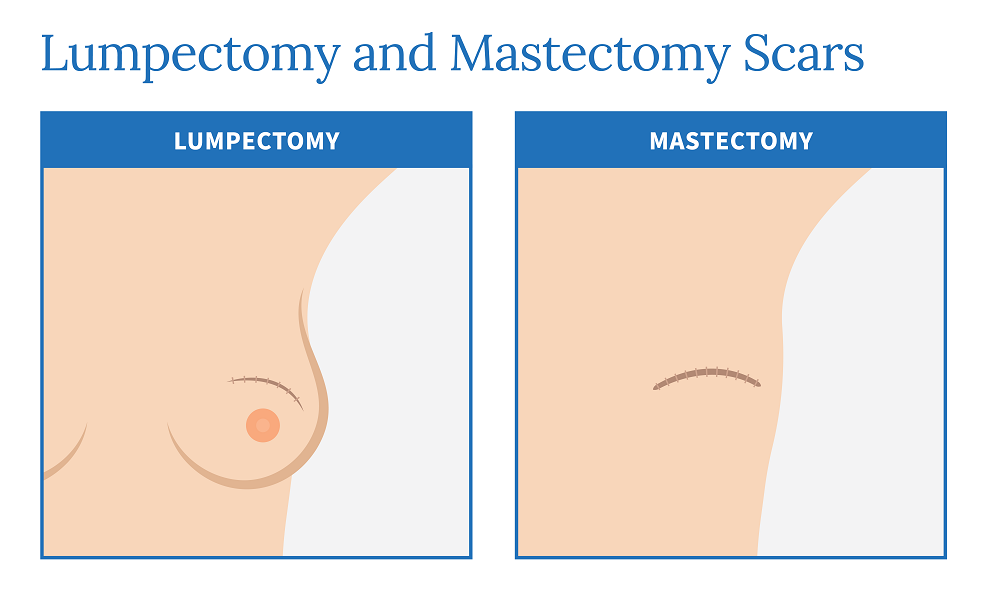
A breast cancer diagnosis changes everything in an instant. Among the many decisions that follow, one of the most significant and often most emotionally charged is the choice between a lumpectomy and a mastectomy. Both are surgical treatments for breast cancer, but they differ fundamentally in how much breast tissue is removed, what recovery looks like, and what the long-term implications are for the patient. For many women, this decision involves not just medical considerations but deeply personal feelings about body image, femininity, and peace of mind. Understanding the clinical differences between these two procedures and what factors influence which one is most appropriate is essential for making an informed and confident decision. Consulting a specialist in Breast Cancer Surgery ensures that every aspect of your individual case is evaluated with the precision and compassion that such a significant decision deserves.
What Is a Lumpectomy
A lumpectomy, also known as breast-conserving surgery or wide local excision, involves removing only the cancerous tumor and a surrounding margin of healthy tissue while leaving the rest of the breast intact. The goal is to eliminate the cancer while preserving as much of the natural breast as possible. Lumpectomy is typically followed by a course of radiation therapy to destroy any remaining cancer cells in the breast tissue and reduce the risk of local recurrence. Studies have consistently shown that for early-stage breast cancers, the long-term survival rates of lumpectomy followed by radiation are equivalent to those of mastectomy, making breast conservation a clinically sound choice for appropriately selected patients. Recovery from a lumpectomy is generally faster, with most women returning to normal activities within two to three weeks.
What Is a Mastectomy
A mastectomy involves the surgical removal of the entire breast, and in some cases the nipple, areola, and underlying chest muscle, depending on the type of mastectomy performed. A simple or total mastectomy removes the breast tissue and nipple but leaves the chest muscle intact. A modified radical mastectomy removes the breast and some of the underarm lymph nodes. A skin-sparing or nipple-sparing mastectomy preserves the outer skin of the breast to facilitate more natural-looking reconstruction. Mastectomy is recommended when the tumor is large relative to the breast size, when there are multiple tumors in different areas of the breast, when the patient carries a BRCA gene mutation significantly increasing the risk of future cancer, or when the patient chooses mastectomy for personal peace of mind. A qualified Surgical Oncologist plays a critical role in evaluating which surgical approach is most appropriate based on tumor characteristics, genetic risk, and the patient's individual circumstances and preferences.
Key Factors That Determine Which Surgery Is Recommended
Several clinical factors guide the recommendation between lumpectomy and mastectomy. Tumor size and its ratio to total breast size are among the most important considerations, as a large tumor in a small breast may not leave sufficient tissue for a satisfactory cosmetic result after lumpectomy. The number and distribution of tumors within the breast matter significantly, as multiple tumors in different quadrants generally favor mastectomy. The presence of BRCA1 or BRCA2 gene mutations dramatically increases the lifetime risk of developing cancer in the same or opposite breast, making prophylactic mastectomy a serious consideration. Previous radiation to the chest area may preclude further radiation after lumpectomy. The patient's own preferences, anxiety levels regarding recurrence, and feelings about breast preservation are also legitimate and important factors in the final decision.
Breast Reconstruction After Mastectomy
For women who undergo mastectomy, breast reconstruction offers the option of restoring the appearance of the breast either immediately at the time of mastectomy or as a delayed procedure after cancer treatment is complete. Reconstruction can be achieved using implants or using the patient's own tissue from the abdomen, back, or thighs in what is known as autologous reconstruction. The choice between implant-based and autologous reconstruction depends on body type, cancer treatment plan, and personal preference. Many women find that reconstruction significantly supports their emotional recovery and sense of wholeness after mastectomy, and it is an option that should be discussed with the surgical team before the mastectomy itself takes place.
Conclusion
The choice between lumpectomy and mastectomy is one of the most personal decisions in a breast cancer journey, and there is no single right answer that applies to every patient. Both procedures are effective treatments with strong survival outcomes when matched to the right patient and the right situation. What matters most is that the decision is made with complete information, specialist guidance, and a clear understanding of your own values and priorities. A thorough consultation with an experienced breast cancer surgical team gives you the knowledge, confidence, and support to make the choice that is truly right for you.
Frequently Asked Questions
Q1. Does a lumpectomy have the same survival rate as a mastectomy?
Yes. For early-stage breast cancers, multiple large studies have shown that lumpectomy followed by radiation therapy produces equivalent long-term survival rates to mastectomy. The decision between the two is therefore guided by clinical factors and patient preference rather than survival outcomes alone.
Q2. Can cancer come back after a lumpectomy?
There is a small risk of local recurrence in the remaining breast tissue after lumpectomy, which is why radiation therapy is routinely recommended afterward. Regular follow-up mammograms and clinical examinations are essential to detect any recurrence at the earliest and most treatable stage.
Q3. Is mastectomy recommended for all BRCA gene mutation carriers?
Not necessarily. The decision for BRCA mutation carriers involves a detailed discussion of personal risk, family history, age, and preferences. Some carriers opt for prophylactic mastectomy to dramatically reduce their lifetime cancer risk, while others choose intensive surveillance. This is a deeply personal decision made in consultation with a specialist.
Q4. How long is recovery after mastectomy compared to lumpectomy?
Lumpectomy typically involves a recovery period of two to three weeks before returning to normal activities. Mastectomy recovery generally takes four to six weeks, and longer if immediate reconstruction is performed simultaneously. Both procedures are followed by ongoing oncology monitoring and, in most cases, additional treatments such as chemotherapy, radiation, or hormone therapy.
Q5. Can both breasts be removed even if only one has cancer?
Yes. A bilateral or double mastectomy, removing both breasts, is an option for patients with a strong family history, BRCA gene mutations, or significant personal anxiety about future cancer risk in the unaffected breast. This decision is made collaboratively between the patient and their surgical oncology team after thorough evaluation.
Comments