




Global trade has grown rapidly in the past decade, and businesses now rely heavily on efficient logistics systems to keep their supply chains running smoothly. From manufacturers and exporters to distributors and retailers, every organisation depends on seamless freight movement. However, managing shipments manually or through outdated systems can lead to delays, errors, and increased operational costs. This is where Freight Logistics Software becomes an essential solution for modern supply chain management.
Across the Middle East—especially in logistics hubs such as Dubai, Abu Dhabi, and Riyadh—companies are increasingly adopting digital platforms to streamline freight operations. With the rise of e-commerce, cross-border trade, and international shipping, advanced logistics software helps organisations handle complex freight processes more efficiently.
Understanding Freight Logistics Software
Freight Logistics Software is a digital platform designed to manage, track, and optimise the transportation of goods. It integrates different logistics processes such as shipment tracking, route planning, warehouse coordination, freight billing, and documentation into a single system.
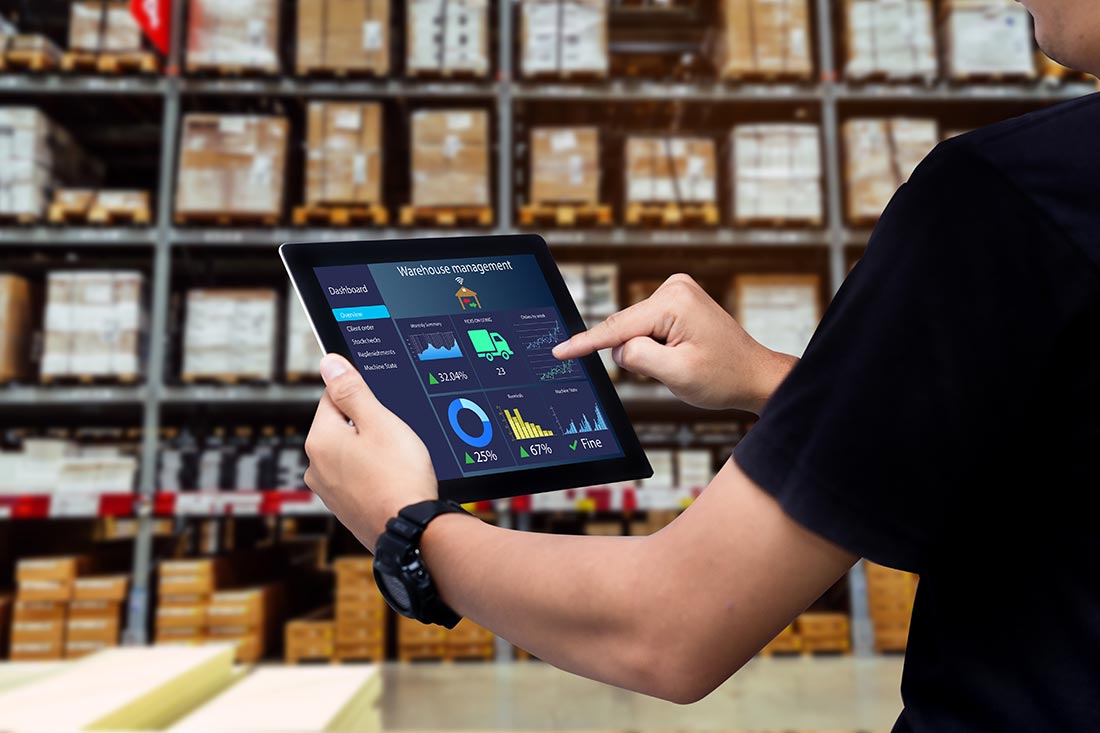
Instead of managing spreadsheets, emails, and paperwork separately, logistics teams can handle every aspect of freight operations through one centralised dashboard. This improves accuracy, speeds up decision-making, and enhances operational efficiency.
According to industry research, the global logistics technology market is expected to exceed $60 billion by 2030, driven by the increasing need for automation and real-time visibility in supply chains. In the Middle East, government initiatives such as digital trade platforms and smart ports are also accelerating the adoption of advanced logistics technologies.
Why Supply Chains Need Smart Logistics Solutions
Supply chains today are more complex than ever before. Businesses deal with international shipments, multiple transportation modes, customs regulations, and fluctuating market demands. Without the right technology, it becomes difficult to maintain efficiency.
Freight management software helps solve many common logistics challenges, including:
- Lack of shipment visibility
- Inefficient route planning
- Manual documentation errors
- Delays in freight tracking
- Poor coordination between suppliers, carriers, and warehouses
By implementing Freight Logistics Software, companies can automate repetitive tasks and gain better control over their supply chain processes.
Key Features of Freight Logistics Software
Modern logistics platforms come with powerful features that improve operational performance and transparency.
Real-Time Shipment Tracking
Real-time tracking is one of the most valuable features of logistics software. Businesses can monitor the exact location of shipments and receive updates on delivery status. This transparency helps companies respond quickly to delays or disruptions.
Automated Freight Documentation
Freight operations require a large number of documents such as invoices, bills of lading, customs declarations, and delivery notes. Automation reduces paperwork and minimises the risk of human errors.
Smart Route Optimisation
Efficient route planning reduces transportation costs and delivery times. Logistics software uses algorithms to identify the best routes based on traffic conditions, fuel efficiency, and delivery priorities.
Integrated Warehouse Management
Many logistics systems integrate with warehouse operations, allowing businesses to track inventory levels, manage storage space, and coordinate shipment dispatch.
Freight Cost Management
Managing freight expenses is crucial for profitability. Advanced systems provide detailed analytics and reporting tools that help businesses analyse shipping costs and optimise transportation budgets.
Benefits for Middle East Logistics Companies
The Middle East has become one of the world’s fastest-growing logistics markets due to its strategic location between Asia, Europe, and Africa. Major ports, free zones, and international trade routes make the region a global logistics hub.
Implementing Freight Logistics Software offers several advantages for businesses operating in the Middle East.
Improved Operational Efficiency
Automation eliminates time-consuming manual tasks, allowing logistics teams to focus on strategic operations instead of routine paperwork.
Better Supply Chain Visibility
Companies gain real-time insights into shipments, warehouses, and transportation networks, which improves coordination between different stakeholders.
Faster Delivery Times
Optimised route planning and shipment monitoring help reduce transit times and ensure faster deliveries for customers.
Reduced Operational Costs
Digital logistics platforms help businesses minimise fuel expenses, avoid penalties from shipment delays, and reduce administrative costs.
Enhanced Customer Satisfaction
Customers today expect timely deliveries and accurate shipment updates. Logistics software enables businesses to provide reliable service and better communication.
How Technology is Transforming Freight Management
Digital transformation is reshaping the logistics industry. Technologies such as artificial intelligence, cloud computing, and IoT are being integrated into logistics software to improve supply chain performance.
Some key technological trends include:
- AI-driven route optimisation for faster delivery planning
- Cloud-based logistics platforms for remote access and scalability
- IoT-enabled shipment tracking for real-time cargo monitoring
- Predictive analytics to forecast demand and optimise inventory
According to a report by Logistics Middle East, more than 70% of logistics companies in the Gulf region are investing in digital technologies to modernise their supply chain operations.
Choosing the Right Freight Logistics Software
Selecting the right logistics platform is crucial for achieving long-term operational success. Businesses should evaluate several factors before implementing a freight management system.
Important aspects to consider include:
- Scalability to support business growth
- Integration with existing ERP or warehouse systems
- Real-time analytics and reporting capabilities
- Customisation based on logistics requirements
- Secure cloud infrastructure and data protection
Companies should also ensure that the software provider offers reliable technical support and regular system updates.
Future of Freight Logistics in the Middle East
The logistics industry in the Middle East is expected to grow significantly in the coming years. Governments in the region are investing heavily in smart ports, digital customs systems, and integrated transportation networks.
For example, the UAE aims to become a global logistics hub through initiatives such as smart supply chain technologies and automated freight management systems. As trade volumes continue to increase, businesses will require advanced digital tools to handle complex logistics operations.
In this evolving landscape, Freight Logistics Software will play a key role in improving efficiency, reducing operational risks, and supporting sustainable supply chain growth.
Why Businesses Should Adopt Freight Logistics Software Now
Companies that delay digital transformation risk falling behind competitors who are already leveraging automation and data-driven logistics management.
Implementing modern freight software today can help organisations:
- Increase operational transparency
- Improve shipment accuracy
- Enhance collaboration between supply chain partners
- Reduce operational costs
- Deliver better customer experiences
For businesses operating in global trade markets, investing in logistics technology is no longer optional—it is essential.
Partner with Experts for Smart Logistics Solutions
If your organisation is looking to modernise its logistics operations, partnering with experienced technology providers can make the transition smoother and more effective.
Bytelogic Technologies offers advanced logistics and software development solutions designed to help businesses streamline supply chain processes and improve freight management efficiency. Their expert team understands the challenges of modern logistics operations and provides customised solutions that align with industry requirements.
For businesses seeking reliable logistics technology solutions, professional support and tailored systems can significantly improve operational performance.
- Phone: +91-9971727334
- Email: [email protected]
Implementing the right Freight Logistics Software can transform the way organisations manage their supply chains. With automation, real-time insights, and advanced analytics, businesses can optimise freight operations and stay competitive in the rapidly evolving logistics landscape. By adopting modern logistics technology today, companies can build faster, smarter, and more resilient supply chains for the future.
Comments