




For any pharmaceutical or biotech company, the validation process is the ultimate gateway to production. It's the rigorous, document-intensive proof that a facility, its systems, and its processes consistently meet pre-defined quality standards and regulatory requirements. In traditional cleanroom turnkey project construction, this phase is often the most protracted and stressful, frequently revealing unforeseen issues that demand costly rework. Suzhou Pharma's modular turnkey project approach transforms validation from a daunting final hurdle into an integrated, streamlined journey woven directly into the fabric of the build itself. The benefits of this methodology are not incidental; they are designed-in from day one.
Parallel Paths: Validation Begins in the Factory, Not On-Site
The most significant shift in the validation timeline comes from a simple yet powerful principle: starting early. In a conventional project, validation activities cannot meaningfully begin until all construction is complete and systems are installed—a point often reached many months or years after groundbreaking. Suzhou Pharma’s model decouples validation from the on-site construction schedule. Critical systems and modules undergo exhaustive Factory Acceptance Testing (FAT) in a controlled environment long before they ship. This FAT is, in essence, a robust pre-validation event. It generates a foundational set of performance data, calibration certificates, and material traceability documents that form the core of the eventual Installation Qualification (IQ) package. This parallel path means the validation dossier is being built concurrently with the physical facility, shaving months off the overall project timeline.
Reduced Variability: Precision Building for Predictable Outcomes
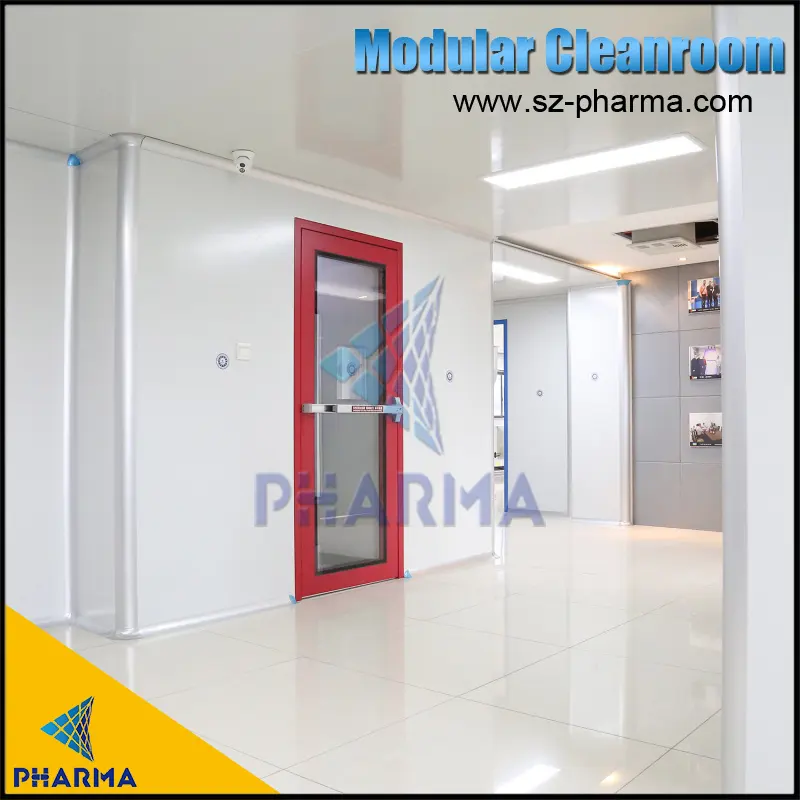
Validation surprises are the enemy of project schedules and budgets. These often stem from the inherent variability of on-site construction—slight misalignments, field modifications, or unsealed penetrations that only reveal themselves during testing. Modular construction, executed in Suzhou Pharma’s factory, replaces this variability with manufacturing precision. Components are built to exacting tolerances using digital designs and standardized processes. When these pre-fabricated, pre-tested modules arrive on-site, they are assembled with a high degree of predictability. This dramatically reduces the number of unknown variables that the validation process must uncover and correct. The systems are known to work because they were seen working in the factory, leading to a far smoother and more predictable on-site testing phase.
Integrated System Testing: Eliminating the "Interface Problem"
A perennial challenge in multi-vendor projects is the "interface problem"—the gaps between systems managed by different contractors. A cleanroom's HVAC, electrical, process piping, and automation controls must work in perfect harmony. When these systems are sourced and installed separately, ensuring this harmony during validation can be a nightmare of coordination and blame. As a single-source turnkey provider, Suzhou Pharma designs, fabricates, and integrates all these systems from the start. Crucially, they are tested together during integrated Factory Acceptance Testing. This means the interplay between airflow, room pressure, temperature control, and utility services is verified as a unified whole before installation. By the time Performance Qualification (PQ) begins on-site, the team is verifying the performance of a fully integrated, pre-proven ecosystem, not debugging conflicts between disparate parts.
The Turnkey Advantage: Seamless Documentation and Single-Point Accountability
The administrative burden of validation—managing protocols, test reports, and change controls across a dozen different vendors—is immense. Suzhou Pharma’s turnkey model consolidates this responsibility. One dedicated validation team, working under a unified quality management system, oversees the entire lifecycle from design qualification through to process qualification. This ensures documentation is consistent, complete, and compiled in a logical, audit-ready format from the outset. There is no finger-pointing between suppliers over missing data or failed tests; there is only a single point of accountability. This seamless flow of information and responsibility drastically reduces administrative delays and creates a clear, defensible narrative for regulatory audits.
Accelerating the Path to Operational Qualification (OQ) and Beyond
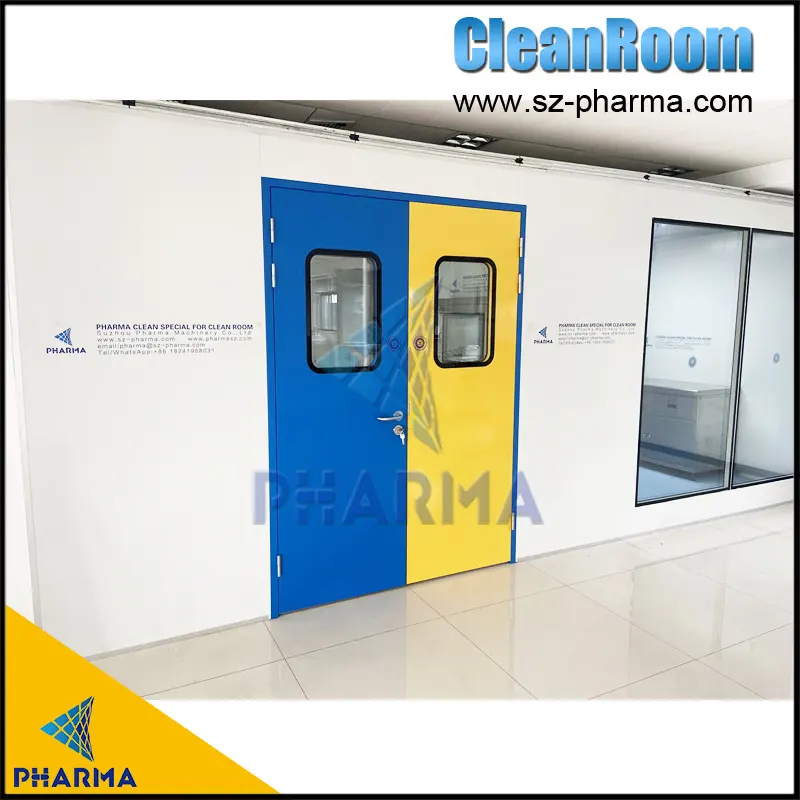
The cumulative effect of these built-in benefits is a dramatically accelerated path through the critical OQ and PQ phases. Because the core engineering functions have been proven during FAT, and because on-site assembly is a precise replication of a factory-tested design, the OQ phase becomes a verification of correct installation and operation under real conditions rather than a debugging session. Environmental monitoring, airflow visualization (smoke studies), and recovery testing can proceed with greater confidence and fewer iterations. This streamlined progression gets the facility to its operational readiness milestone faster, allowing for earlier media fills and process validation, which directly translates to earlier production and revenue.
A Foundation for Lifelong Compliance
The benefits of this streamlined validation approach extend beyond the initial project handover. The comprehensive, high-quality documentation set delivered at commissioning becomes the facility's verified "as-built" baseline. This clear baseline simplifies all future activities, including routine re-qualifications, change management for equipment upgrades, and regulatory inspections. The inherent quality and traceability designed into the modular build provide a solid foundation for ongoing compliance. By choosing a Suzhou Pharma modular turnkey project, companies invest not only in a faster validation today but in a more manageable and defensible compliance posture for the entire lifecycle of their aseptic production asset.
Comments