


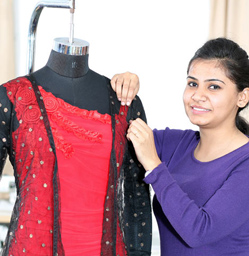
Getting a balance between aesthetics and practical skills, the Bachelor of Design in Fashion Design course equips students with essential knowledge. The knowledge is for design principles, garment construction, textile selection, and trend forecasting, ensuring they possess the expertise needed to thrive in the field. Travelling and scouting emerging trends have become a must-do for people who are already familiar with design, and students have opened these doors.
Fashion design is more than just making clothes; it is about listening to consumers, recognising market demands, and balancing art with functionality. A comprehensive undergraduate program gives students the creative and technical skills necessary to thrive in the global fashion landscape.
Top Reasons to Pursue a Design Program in Fashion
This offers knowledge of creativity and business when it comes to the fashion world. Alongside their artistic expertise, the program aims to train students in technical skills that are required for the production of garments as well as the marketing and branding of fashion.
Key Advantages of Fashion Design Course
- Creative Exploration: Students learn how to sketch, build patterns, manipulate fabrics, illustrate digitally and more in hands-on settings.
- Industry-Relevant: Regular market research, consumer behaviour analysis, and sustainable practices are often part and parcel of the curriculum.
- Technological Integration: In light of the increasing prevalence of digital fashion and AI-designed garments, students are then educated on ways that they can incorporate contemporary technology into their designs.
- Hands-on Experience: Several programs include internships, industry tie-ups, and workshops that give you a closer look at the fashion industry.
- Business Acumen: The course teaches students the business side of management by helping them devise plans for starting and running their brands.
Core Courses in Fashion Design Degrees
A fashion design degree curriculum is designed to reflect the key components of the fashion industry as a whole. A few of the topics include:
- Fashion Illustration: To be able to sketch design accurately and creatively using artistic skills.
- Textile Studies: Familiarity with various fabrics, their characteristics, and where they fit in the world of fashion.
- Sewing and Construction Methods: Achieving proficiency in the techniques for putting fabrics together to form apparel, such as sewing methods and finishing techniques.
- Fashion Merchandising and Marketing: This encompasses learning the commercial aspect of the fashion industry. For example, retail styles and customer patterns of purchasing.
While your normal date would be something that is within a traditional fashion niche, you could focus on one of these more unusual topics that fall under the umbrella of fashion.
This well-rounded curriculum equips students with design and business management expertise, rendering them industry-ready professionals.
Scope for Future and Latest Trends in Industry
A new era of fashion is underway, with technology impacting how designers create and sell their collections. Here are some of the trends shaping the future of fashion:
- Virtual clothing and digital fashion: 3D garment visualisation, if you can find it, is saving the clothing industry.
- Sustainability and Ethical Fashion: Consumers are more aware of sustainability, so demand for eco-friendly products is growing.
- AI and Automation in Fashion Design: Technology has come quite a long way in terms of designing clothes.
- Customisation and Personalisation: Brands are Emphasising Unique, Customised Fashion Experiences
This means that fashion design graduates must have the correct education to be able to craft innovative designs tailored close to the market trends.
Conclusion
Fashion design is an exhilarating yet demanding career that demands a powerful combination of creativity, technical skill, and business know-how. The Fashion Design Masters Programs impart fundamental skills for anyone entering the workforce, and fashion design master’s programs allow fashion professionals the opportunity to specialise and elevate their careers.
Offering exciting new careers in emerging fields, fashion for the future is an area of study that is gaining importance as the world shifts to finding more innovative, sustainable ways to create fashion.
Comments