


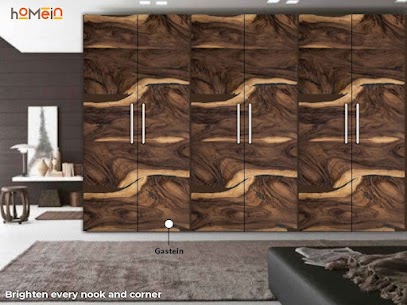
Natural wood veneer sheets have become a defining element in modern interior design and high-end furniture manufacturing. As sustainability and aesthetics continue to shape material choices, veneers provide an ideal balance of natural beauty, durability, and eco-conscious production. This report explores the features, benefits, applications, and innovations driving the growing demand for natural wood veneers.
Understanding Natural Wood Veneer
Natural wood veneer is a thin slice of genuine timber, typically ranging from 0.2mm to 3mm thick, adhered to a substrate such as MDF, plywood, or particle board. Unlike synthetic laminates, veneers capture the unique grain, color, and texture of real wood, ensuring each sheet is one of a kind. The process involves carefully slicing logs through methods like rotary cutting, plain slicing, or quarter slicing to achieve specific grain patterns and appearances.
Advantages Over Solid Wood and Synthetic Alternatives
1. Sustainable and Resource-Efficient
One of the primary advantages of natural veneer is its sustainability. A single log can produce dozens of veneer sheets, maximizing wood utilization and minimizing waste. This approach conserves forest resources while retaining the luxurious appeal of solid timber.
2. Superior Aesthetic Appeal
Each veneer sheet showcases the inherent patterns and warmth of natural wood species—be it oak, walnut, teak, maple, or mahogany. This organic beauty adds sophistication and depth to interiors, far surpassing the uniformity of artificial laminates.
3. Dimensional Stability
Veneers bonded to engineered substrates are less prone to warping, shrinking, or swelling than solid wood, making them ideal for humid or temperature-variable environments. This stability extends the lifespan of furniture and architectural panels.
4. Versatility in Design
Veneers can be dyed, stained, or finished to complement modern, rustic, or traditional styles. Their flexibility allows designers to experiment with book-matching, slip-matching, and cross-grain layouts to create custom visuals and patterns.
Applications Across Industries
Natural wood veneers are widely used in interior architecture, furniture manufacturing, automotive interiors, and luxury retail spaces. They enhance wall cladding, doors, cabinetry, and ceiling panels, offering a touch of refinement without the weight or cost of solid wood. In the automotive sector, premium brands use veneers to craft elegant dashboards and trims, blending craftsmanship with contemporary design.
Technological Advancements and Market Trends
Recent advancements have improved the durability and environmental performance of veneer sheets. Innovations such as reconstituted veneers, made from fast-growing wood species, replicate rare and exotic patterns without endangering forests. Additionally, UV-cured coatings and water-based adhesives enhance resistance to fading and moisture, ensuring long-lasting quality.
Sustainability certifications like FSC (Forest Stewardship Council) and PEFC (Programme for the Endorsement of Forest Certification) have also become essential markers of responsibly sourced veneers, meeting global green building standards.
Conclusion
Natural wood veneer sheets represent a fusion of tradition, craftsmanship, and modern technology. They offer designers and manufacturers a sustainable pathway to achieve timeless aesthetics without compromising performance. As environmental awareness and demand for authentic materials continue to rise, natural veneers will remain at the forefront of premium interior design—proving that true beauty, when handled responsibly, never goes out of style.
For More Related Contents Visit Our Website:
Website: https://homeinveneers.com
Follow Us On: Whatsapp, Facebook, Instagram, YouTube, LinkedIn, Pinterest
Comments