


In the ever-evolving landscape of search, one truth has become undeniable: to stand out, you must not only create great content but also make it effortlessly understandable to machines. This is the realm of structured data and Schema markup—a coded language that tells search engines precisely what your content is about, unlocking rich results, enhanced visibility, and a critical edge in competitive SERPs. Yet, for many, the implementation of Schema remains a daunting technical hurdle. The process of identifying opportunities, writing correct code, and maintaining it across a vast site is where intelligent automation transforms a complex chore into a scalable, strategic advantage, seamlessly bridging the gap between marketing intent and technical execution.
Demystifying Schema Opportunity Discovery
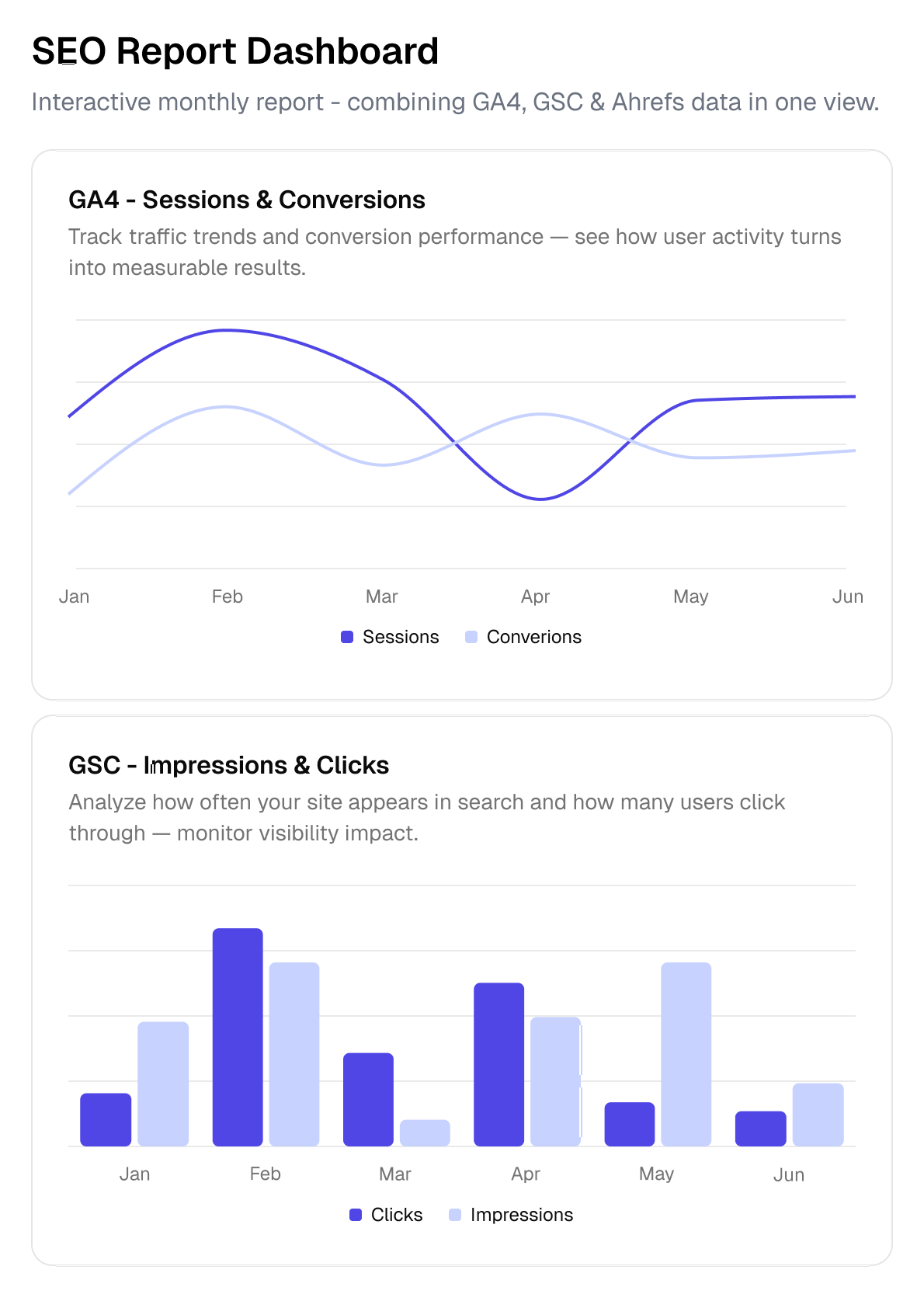
The first challenge is knowing where and what to mark up. Manually sifting through a website to find every product, event, local business, FAQ, or article is impractical. An AI-driven approach begins with a comprehensive site crawl that goes beyond traditional seo tool analysis. It intelligently classifies page types and content formats, identifying clear candidates for specific Schema types. For an e-commerce site, it automatically catalogs product pages; for a service business, it pinpoints location and service pages; for a publisher, it highlights articles, recipes, and videos. This automated audit creates a precise, prioritized inventory of structured data opportunities, ensuring no potential rich result is overlooked and providing a clear roadmap for implementation.
Crafting a Strategic, Hierarchical Markup Plan
With opportunities identified, the next step is strategic planning. Not all Schema is created equal, and layering it correctly is crucial. An advanced system doesn’t just suggest isolated markup; it designs a hierarchical blueprint. For a recipe page, it would orchestrate a combination of Recipe, HowTo, and Article schemas. For a local business, it would map the relationship between LocalBusiness, Service, and FAQPage. This planning ensures the markup tells a complete, connected story about the entity on the page, which search engines like Google favor. It moves the process from a tactical "add code here" task to a strategic architecture of meaning, maximizing the potential for knowledge panel inclusion and rich snippet features.
Generating Dynamic, Error-Free Code
The technical barrier of writing JSON-LD code is a major point of failure. Automation elegantly solves this. By pulling directly from a page's live content and metadata—such as product titles, prices, ratings, article authors, and publication dates—the system can dynamically generate accurate, compliant Schema code. It fills the required and recommended properties automatically, drastically reducing human error. For larger sites, this can be templatized and applied at scale, ensuring consistency across thousands of pages. This turns the most time-consuming and error-prone part of the process into a reliable, push-button operation, freeing developers and SEOs to focus on strategy rather than syntax.
Implementing with Seamless Technical Integration
Getting code onto a site without breaking anything is its own challenge. The most effective systems are built for seamless integration. This can mean generating code snippets ready for a developer to embed, providing plugins for common CMS platforms, or even deploying markup via a tag manager container for non-technical teams. The key is providing the right output for the right technical environment. This flexibility ensures that the implementation is not a bottleneck, allowing the strategically planned markup to be deployed efficiently and correctly, regardless of a company's in-house technical resources.
Validating and Monitoring for Sustained Performance
Post-implementation validation is non-negotiable. Automated tools don't just deploy and forget; they continuously monitor. They can run batch validations through Google's Rich Results Test, flagging errors or warnings that could prevent rich snippets from appearing. More importantly, they monitor the live search performance of marked-up pages, tracking which ones actually generate rich results and enhanced click-through rates in the SERPs. This ongoing vigilance is critical, as search engine guidelines change and site content evolves. It ensures your structured data investment remains valid and effective over time, protecting your visibility.
Measuring the Tangible Impact on Visibility and Traffic
The ultimate question is: what is the return? Sophisticated automation closes the loop by measuring impact. It correlates pages with specific Schema types to changes in key metrics: average ranking position, click-through rate (CTR), and organic traffic. By analyzing performance before and after implementation, and comparing marked-up pages to similar pages without markup, it quantifies the lift. This data transforms structured data from a technical "best practice" into a proven driver of business results. It allows teams to justify further investment, refine their strategy to focus on the most impactful Schema types, and demonstrate clear ROI.
Building a Future-Proof Foundation for Search
Implementing Schema with AI is about more than chasing today's rich snippets. It is about building a future-proof foundation for how search engines understand your business. As search evolves towards more semantic, entity-based understanding, having a clean, comprehensive, and accurate data layer on your site becomes paramount. By automating the complexity of this process, businesses can ensure their entire digital presence is machine-readable, organized, and primed for the next generation of search features. This strategic foresight, powered by precise execution, moves structured data from an afterthought to a core pillar of a modern, visible, and competitive SEO strategy.
Comments