


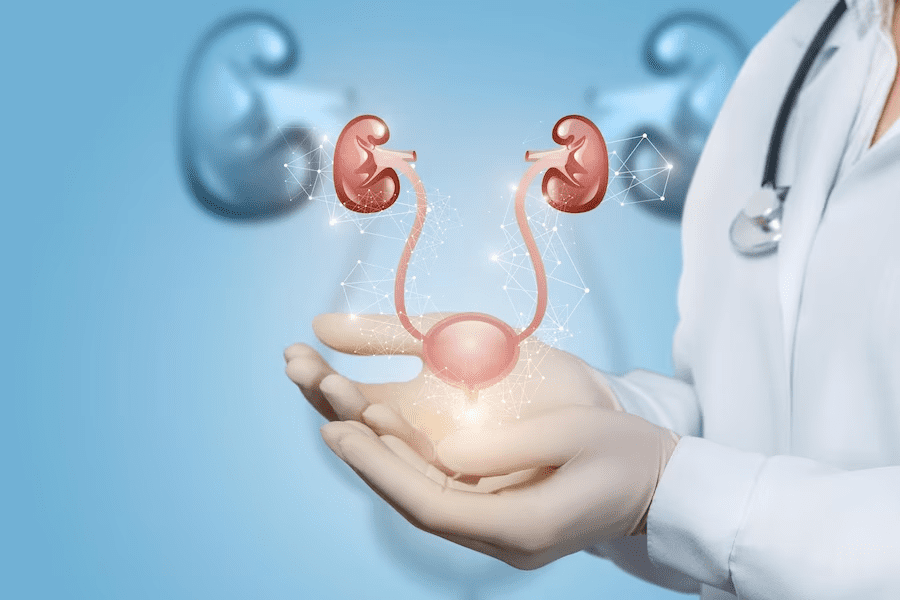
Urology is a specialized branch of medicine that focuses on the diagnosis, treatment, and management of disorders related to the urinary system and male reproductive organs. From common conditions like urinary tract infections (UTIs) to complex surgeries such as prostate cancer treatments, urology covers a wide range of concerns that affect both men and women. This guide will walk you through the various urology treatments available, insights into common conditions, and solutions for improving urological health.
Understanding Urology and Its Scope
Urology encompasses a broad range of conditions, from urinary tract issues to male infertility and sexual dysfunction. The urinary system includes the kidneys, ureters, bladder, and urethra, while urologic issues can also extend to the prostate, testes, and male reproductive system. Urologists are highly trained specialists who diagnose and treat problems such as:
- Urinary Tract Infections (UTIs)
- Kidney Stones
- Bladder Disorders (e.g., Overactive Bladder)
- Prostate Cancer and Benign Prostatic Hyperplasia (BPH)
- Infertility Issues in Men
- Erectile Dysfunction (ED)
- Incontinence
- Renal Failure
Treatment options in urology depend on the specific condition, ranging from conservative lifestyle changes and medication to more advanced surgical interventions.
1. Urinary Tract Infections (UTIs)
Urinary tract infections are one of the most common urological issues, particularly in women. UTIs occur when bacteria enter the urinary tract, causing pain and discomfort, frequent urination, and sometimes fever.
Treatment: UTIs are typically treated with antibiotics. The specific antibiotic prescribed depends on the type of bacteria causing the infection. In recurrent UTI cases, doctors may recommend long-term low-dose antibiotics or other preventive measures, including increased hydration and proper hygiene practices.
Insights: Maintaining good hygiene, staying well-hydrated, and urinating after intercourse can help reduce the risk of UTIs. In more severe cases, hospitalization and intravenous antibiotics may be necessary.
2. Kidney Stones
Kidney stones are hard deposits of minerals and salts that form in the kidneys. While they can range in size from a small grain to a large mass, passing a kidney stone can be excruciatingly painful.
Treatment: Small stones often pass on their own with increased hydration and pain management. For larger stones, treatments like shock wave lithotripsy (using sound waves to break up the stones), ureteroscopy (a procedure using a thin tube to remove or break up stones), or percutaneous nephrolithotomy (a surgery to remove large stones) may be necessary.
Insights: Prevention of kidney stones involves staying hydrated, reducing sodium intake, and monitoring your diet to ensure a balance of calcium and oxalate. Your doctor may also prescribe medications to prevent stone formation in people with recurrent issues.
3. Bladder Disorders (Overactive Bladder)
An overactive bladder (OAB) is a condition characterized by the frequent need to urinate, often accompanied by urgency and incontinence. It can significantly impact daily life and cause embarrassment for sufferers.
Treatment: Medications such as anticholinergics or beta-3 agonists help reduce the urgency and frequency of urination. Behavioral therapy, including bladder training and pelvic floor exercises, can also be effective. In more severe cases, nerve stimulation therapy or botulinum toxin (Botox) injections into the bladder wall may be recommended.
Insights: Lifestyle changes, such as reducing caffeine intake and avoiding fluids late at night, can help manage OAB symptoms. Regular pelvic floor exercises (Kegels) are often recommended to strengthen the bladder muscles.
4. Prostate Cancer and Benign Prostatic Hyperplasia (BPH)
Prostate problems are common in aging men. Benign Prostatic Hyperplasia (BPH) refers to the non-cancerous enlargement of the prostate, which can obstruct urine flow. Prostate cancer, on the other hand, is a malignant growth that requires more complex treatment options.
Treatment for BPH: Medications like alpha-blockers and 5-alpha-reductase inhibitors can help relax prostate muscles and reduce its size. In some cases, minimally invasive procedures such as Transurethral Resection of the Prostate (TURP) or laser therapy may be recommended.
Treatment for Prostate Cancer: The treatment for prostate cancer depends on the stage of the disease and the patient's overall health. Options include:
- Active Surveillance for low-risk cancer
- Surgery (Radical Prostatectomy)
- Radiation Therapy
- Hormone Therapy to reduce androgen levels that fuel prostate cancer growth
- Chemotherapy for advanced cases
Insights: Early detection of prostate cancer through regular screenings, such as the PSA (prostate-specific antigen) blood test, can lead to better outcomes. Regular checkups are crucial for men over 50 or those with a family history of prostate cancer.
5. Infertility and Male Sexual Dysfunction
Male infertility can stem from low sperm count, poor sperm motility, or structural issues like varicoceles. Erectile dysfunction (ED) is also a common condition affecting sexual health.
Treatment for Male Infertility: Treatments depend on the cause of infertility. Options may include:
- Medications to increase sperm production or correct hormonal imbalances
- Surgical Interventions for blockages or varicoceles
- Assisted Reproductive Technologies such as Intrauterine Insemination (IUI) or In Vitro Fertilization (IVF)
Treatment for Erectile Dysfunction: ED can often be managed with lifestyle changes (weight loss, exercise), medications like sildenafil (Viagra), or devices such as vacuum erection pumps. In some cases, penile implants or injections may be recommended.
Insights: Healthy lifestyle choices, including exercise, a balanced diet, and stress management, can help improve both fertility and sexual health. If you're struggling with infertility or ED, it’s important to consult with a urologist for tailored treatment.
If you're experiencing symptoms related to any of the conditions discussed above, seeking specialized care is essential. Consult a Urology Hospital in Bangalore like Shree Srinivasa Uro Care, a leading urology clinic offering comprehensive treatment options for various urological issues. Whether you're dealing with kidney stones, prostate problems, urinary tract infections, or male infertility, the experienced team of urologists at Shree Srinivasa Uro Care can provide personalized treatment plans to address your specific needs.
6. Incontinence
Urinary incontinence, the inability to control urination, can result from a variety of causes, including weakened pelvic floor muscles, nerve damage, or obstructions.
Treatment: Treatment depends on the type of incontinence (stress, urge, overflow, or functional). Options include pelvic floor exercises, bladder training, medications to control urgency, and in severe cases, surgical options like bladder sling procedures or artificial urinary sphincters.
Insights: Strengthening the pelvic floor muscles through Kegel exercises can improve incontinence symptoms. For women, menopause-related hormonal changes may contribute to incontinence, and hormone replacement therapy (HRT) may be considered.
Urology plays a critical role in addressing a wide array of conditions that affect the urinary system and male reproductive health. From common issues like UTIs to complex concerns like prostate cancer and male infertility, there are a variety of treatment options available. Consulting a urologist is key to diagnosing and addressing these conditions early. If you're experiencing any urological symptoms, don't hesitate to seek medical advice. A personalized treatment plan can help restore your quality of life, improve health outcomes, and provide relief from discomfort or pain.
Comments