


In the field of dentistry, precision and efficiency are paramount. Practitioners rely on a suite of specialized tools to deliver exceptional patient care, and among the most fundamental of these is the scaler. While various types exist for specific tasks, the dental universal scaler stands out for its remarkable versatility and importance in routine and advanced procedures. Understanding its design, function, and proper application is crucial for every dental professional, from seasoned surgeons to students just beginning their careers. This guide explores the core aspects of this indispensable instrument.
Understanding the Design and Function
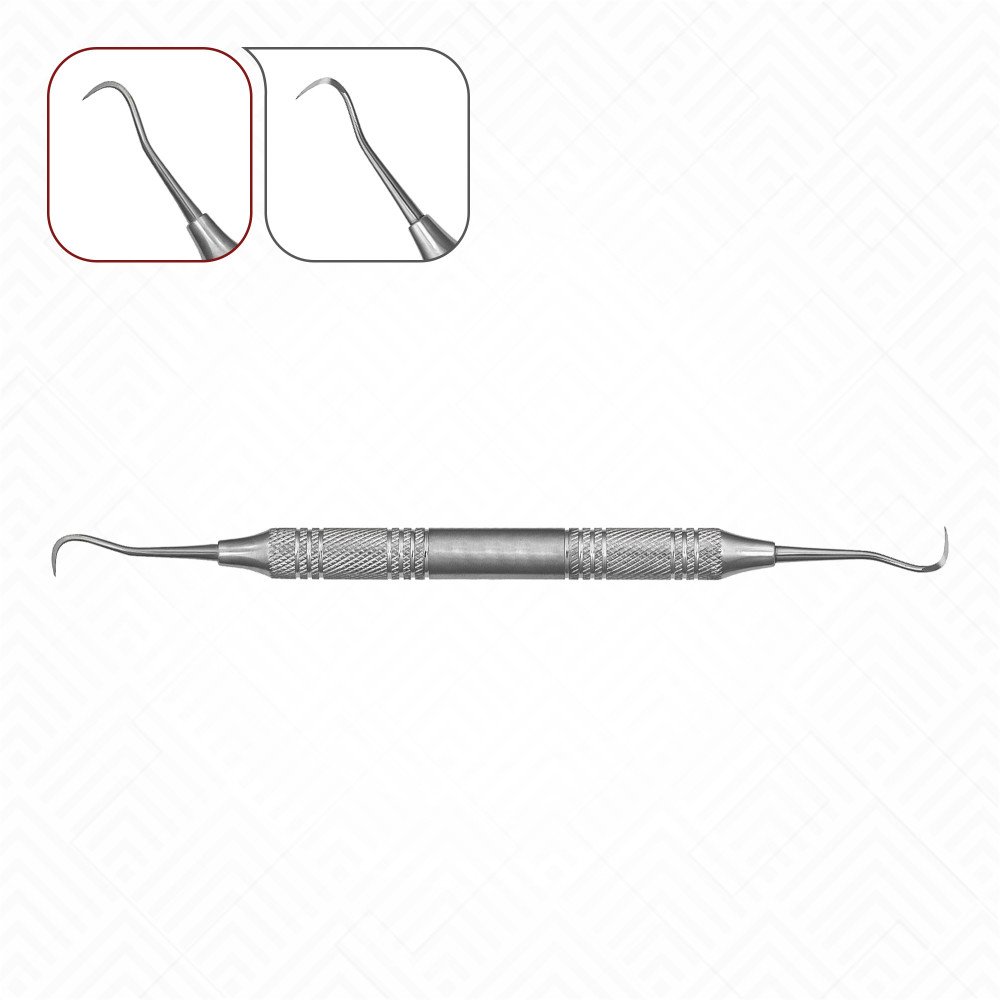
At its core, a scaler is designed for the removal of calculus and plaque from tooth surfaces. What makes the dental universal scaler unique is its design, which allows it to be adapted for use on nearly all teeth and surfaces within the oral cavity. Typically, this instrument features two working ends, each with a pointed tip and two cutting edges on a curved blade. This configuration enables practitioners to effectively clean both supragingival (above the gumline) and subgingival (below the gumline) areas, making it a true workhorse in any dental practice. The effectiveness of the procedure hinges on the quality of the instrument, reinforcing the need for tools crafted with precision.
The Versatility of a Universal Tool
The primary advantage of the dental universal scaler is its adaptability. A single, well-designed instrument can be used for scaling anterior and posterior teeth, on both mesial and distal surfaces. This eliminates the need to frequently switch between different instruments during a cleaning, which saves valuable time and streamlines the workflow. For busy clinics and educational institutions alike, this efficiency is a significant benefit. New Med Instruments dental festooning recognizes this need for versatile and reliable tools, providing healthcare professionals with instruments that meet the highest standards of performance and durability, ensuring that one tool can handle multiple tasks without compromising on results.
Proper Technique and Application
Effective use of any dental instrument requires proper technique, and the universal scaler is no exception. The practitioner must establish a stable fulcrum, or finger rest, to ensure controlled and precise movements. The cutting edge should be adapted to the tooth surface at the correct angle—typically between 70 and 80 degrees—to effectively fracture and remove calculus deposits without causing damage to the enamel or root surface. A combination of vertical, oblique, and horizontal strokes is used to methodically clean each area. Mastery of this technique is a foundational skill for every dental student and a refined art for experienced clinicians dedicated to achieving perfect, precise outcomes for their patients.
Maintaining Your Instruments for Longevity
The performance of a dental universal scaler is directly tied to its condition. Regular maintenance, including proper cleaning, sterilization, and sharpening, is essential for its longevity and effectiveness. A dull scaler requires more pressure to be effective, increasing operator fatigue and the risk of slipping, which can cause patient discomfort or injury. By investing in high-quality instruments and adhering to a strict maintenance protocol, dental professionals can ensure their tools remain in optimal condition. This commitment to quality not only protects the patient but also reflects the practitioner's dedication to providing the best possible care, a principle that aligns with the mission to supply superior surgical instruments to healthcare professionals worldwide.
Choosing the Right Scaler for Your Practice
Selecting the right tools is a critical decision for any dental professional. When choosing a dental universal scaler, factors such as material composition, handle design, and blade sharpness should be carefully considered. Ergonomic handles can reduce hand fatigue during long procedures, while high-grade stainless steel ensures durability and resistance to corrosion. For surgeons expanding their techniques or students building their first set of instruments, investing in quality from the start pays dividends. A superior instrument not only performs better but also instills confidence in the practitioner, allowing them to focus on delivering precise and effective treatment for their patients.
Comments