


A bright, white smile is often seen as a symbol of health, youth, and beauty. It's no surprise that teeth whitening has become one of the most popular cosmetic dental procedures worldwide. From at-home kits to professional treatments, the market is flooded with options that promise to give you the dazzling smile you've always dreamed of. But with so many choices, it can be overwhelming to know where to start. In this blog, we’ll explore the latest innovations in teeth whitening, the costs associated with different treatments, and expert advice on how to achieve and maintain a radiant smile.
The Evolution of Teeth Whitening: Innovations and New Technologies
Teeth whitening has come a long way from the days of using hydrogen peroxide or baking soda. Today, technological advances have led to more effective, safer, and faster treatments. Here are some of the most notable innovations:
1. LED and Laser Whitening Technology
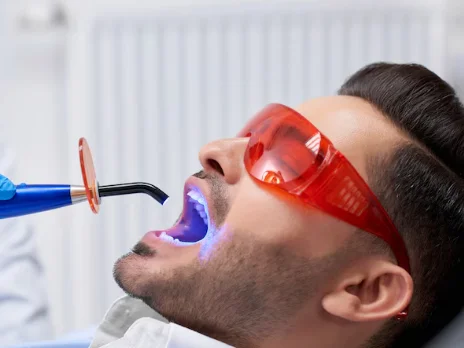
One of the most significant developments in recent years is the use of LED and laser light in teeth whitening treatments. Both in-office and at-home whitening products now incorporate LED lights or lasers to accelerate the whitening process.
- LED Whitening: LED light works by activating the whitening gel, typically containing hydrogen peroxide, to break down stains more effectively. The light’s energy boosts the gel’s bleaching power, making the process faster and potentially more effective.
- Laser Whitening: A more advanced and precise option, laser whitening involves applying a whitening gel to the teeth, followed by the use of a special laser light. The laser stimulates the gel, allowing it to penetrate deeper into the enamel and achieve more dramatic results in a shorter time.
Both technologies aim to shorten the duration of whitening sessions and reduce the sensitivity often associated with bleaching.
2. Customizable Whitening Trays
Gone are the days when you had to use one-size-fits-all whitening trays. Thanks to advancements in digital impressions and 3D printing, dental professionals can now create custom-fit whitening trays tailored to your teeth. These trays are more comfortable to wear, fit snugly, and ensure the whitening gel is applied evenly. This customization allows for more consistent results compared to over-the-counter, one-size-fits-all solutions.
3. Whitening Toothpastes with Advanced Formulas
While whitening toothpastes are not a new concept, the formulas have come a long way. Modern toothpastes contain advanced stain-fighting ingredients, such as activated charcoal, baking soda, or silica, which can help remove surface stains without damaging tooth enamel. Some whitening toothpastes also contain fluoride to protect against cavities, making them a good daily option for maintaining your smile.
4. Whitening Strips and Pens
Whitening strips and pens have become popular due to their ease of use and portability. With new formulations that focus on gentle yet effective whitening, these products often include enamel-safe ingredients that minimize damage. The latest whitening strips use more precise delivery systems, making the product more targeted to specific areas of the teeth and resulting in better overall results.
The Costs of Teeth Whitening: What to Expect
Teeth whitening prices vary widely, depending on the method you choose and where you go for treatment. Here's a breakdown of costs across different whitening options:
1. In-Office Professional Whitening
Professional whitening at a dentist's office is often the most expensive option but can deliver the most dramatic results. In-office treatments typically use stronger bleaching agents and specialized technology (like lasers or LED lights) to accelerate the process. Prices for professional whitening generally range from ₹35,000 to ₹1,10,000, depending on the location and type of procedure.
- Zoom Whitening, one of the most well-known in-office treatments, can cost between ₹30,000 and ₹90,000 per session.
- Laser Whitening tends to be on the higher end of the spectrum, with prices ranging from ₹45,000 to ₹1,10,000.
Though the cost is high, many people find the immediate results worth the price, and some dental offices offer financing options.
If you're looking for quick teeth whitening in Bhopal, Smile Gallery Dental Wellness Centre is one of the best choices for fast and effective results. With expert professionals and state-of-the-art technology, they can help you achieve the bright smile you’ve always wanted.
2. At-Home Kits
At-home teeth whitening kits are significantly more affordable than in-office treatments. These kits typically include whitening trays, strips, or gels that can be used over several days or weeks. Prices for at-home kits vary from ₹1,500 to ₹7,500, depending on the brand and type of product.
- Whitening Strips: Over-the-counter strips typically cost around ₹1,500 to ₹4,500 for a box of multiple treatments.
- Custom Trays and Gels: Custom-made trays from your dentist can cost around ₹7,000 to ₹25,000, though some insurance plans may cover part of the cost.
While at-home whitening can take longer to show results than professional treatments, it can still be effective for many people, especially when used consistently.
3. Over-the-Counter Products
If you're on a tight budget, over-the-counter whitening products like toothpaste, gels, and pens offer an affordable solution. These typically cost between ₹200 to ₹1,500, with toothpaste being the least expensive. While these products can help remove surface stains, they won't produce the same dramatic results as professional whitening treatments.
4. Whitening Touch-Up Treatments
For those who undergo professional whitening but want to maintain their results, many dental offices offer touch-up treatments. These are usually less expensive than the initial whitening procedure and may cost between ₹7,000 and ₹20,000.
Expert Advice: Tips for Whitening Your Teeth Safely
While teeth whitening is generally safe when done correctly, it’s important to follow expert advice to avoid potential risks like tooth sensitivity, gum irritation, or enamel damage. Here are some essential tips from dental professionals:
1. Consult Your Dentist First
Before starting any whitening treatment, it’s a good idea to consult with your dentist. Your dentist can assess the condition of your teeth, identify any underlying issues (like cavities or gum disease), and recommend the most appropriate whitening option for your needs. They can also provide professional-grade whitening that may be more effective and safer than over-the-counter products.
2. Be Mindful of Tooth Sensitivity
Whitening treatments can sometimes cause temporary tooth sensitivity. If you experience discomfort, try using a toothpaste for sensitive teeth or take a break from whitening until the sensitivity subsides. Some whitening systems also offer formulas specifically designed to minimize sensitivity.
3. Maintain Good Oral Hygiene
After whitening, it’s essential to maintain a good oral hygiene routine to keep your smile bright. Brush your teeth at least twice a day with fluoride toothpaste, floss regularly, and visit your dentist for check-ups and cleanings. Avoid foods and drinks that can stain your teeth, such as coffee, tea, red wine, and tobacco products.
4. Avoid Overuse
More whitening doesn’t necessarily mean better results. Overusing whitening products can lead to enamel erosion or increased tooth sensitivity. Always follow the manufacturer’s instructions or your dentist’s recommendations for the best results.
Achieving Your Best Smile
Modern teeth whitening offers a wide range of options, from at-home kits to in-office treatments. With the right information, you can choose a method that fits your needs, budget, and desired outcome. Whether you opt for professional whitening or use an over-the-counter product, remember that consistency, patience, and expert advice are key to achieving a bright, healthy smile.
Comments