


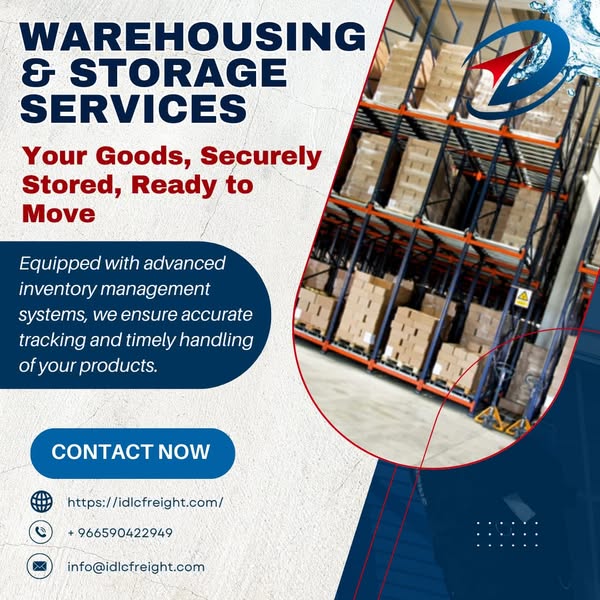
In today’s fast-paced business environment, managing inventory efficiently is crucial for companies of all sizes. Warehousing & storage services play a pivotal role in ensuring smooth operations, timely deliveries, and cost-effective supply chain management. These services are no longer just a space to store goods—they are a strategic asset that can enhance operational efficiency, reduce costs, and improve customer satisfaction.
The Importance of Warehousing & Storage Services
Warehousing & storage services provide businesses with secure and organized spaces to store their goods before they reach customers or retail outlets. Beyond simple storage, modern warehousing includes inventory management, packaging, order fulfillment, and even transportation coordination.
- Efficiency in Operations:
- Proper storage facilities allow businesses to manage their inventory effectively, ensuring that goods are easily accessible, reducing the time spent locating items, and improving overall workflow.
- Cost Savings:
- Outsourcing warehousing can save businesses significant costs related to real estate, labor, equipment, and maintenance. Companies can scale storage solutions according to demand, avoiding unnecessary overheads.
- Improved Customer Satisfaction:
- Timely delivery and accurate order fulfillment are critical in today’s competitive market. Warehousing & storage services ensure that products are ready for distribution whenever needed, which directly impacts customer satisfaction.
Types of Warehousing & Storage Services
Warehousing solutions vary depending on the type of goods and the specific needs of a business. Some of the most common types include:
1. Public Warehousing
Public warehouses are open for use by multiple businesses, providing flexible storage solutions. They are ideal for startups or businesses that have seasonal fluctuations in inventory.
2. Private Warehousing
Private warehouses are owned or leased by a single company and are used exclusively for its own storage needs. This option offers more control over inventory and operations but requires a higher investment.
3. Contract Warehousing
Contract warehousing combines the benefits of both public and private warehousing. Companies sign long-term contracts with service providers who manage their inventory, providing a balance of flexibility and control.
4. Climate-Controlled Warehousing
Certain products, such as pharmaceuticals, perishable foods, and electronics, require temperature and humidity-controlled environments. Climate-controlled storage ensures the quality and safety of sensitive goods.
5. Automated Warehousing
With advancements in technology, automated warehousing has become increasingly popular. It uses robotics, AI, and warehouse management systems (WMS) to streamline operations, reduce errors, and improve efficiency.
Key Features of Modern Warehousing & Storage Services
Modern warehouses are more than just storage spaces; they offer comprehensive solutions to enhance the entire supply chain:
- Inventory Management: Advanced software tracks inventory in real-time, preventing stockouts and overstocking.
- Security Systems: Surveillance cameras, alarm systems, and access control protect valuable goods.
- Efficient Layouts: Warehouses are designed for optimal space utilization and easy movement of goods.
- Order Fulfillment: Some warehouses offer pick-and-pack services, reducing the time and effort required for shipping orders.
- Transportation Coordination: Many warehouses collaborate with logistics providers for seamless delivery.
Benefits of Outsourcing Warehousing & Storage Services
Outsourcing warehousing services offers several advantages for businesses:
- Focus on Core Business:
- By outsourcing storage, companies can focus on their core operations, such as production, marketing, and sales.
- Scalability:
- Third-party warehousing allows businesses to scale storage solutions up or down based on seasonal demands without significant investment.
- Risk Management:
- Professional warehouses have security measures and disaster recovery plans to protect goods, reducing risks for businesses.
- Expertise and Technology:
- Warehousing providers invest in technology and skilled staff to ensure smooth operations, which might be costly for individual businesses to implement.
How to Choose the Right Warehousing & Storage Service
Selecting the right service provider is crucial for optimizing supply chain efficiency. Consider the following factors:
- Location: Proximity to suppliers, production units, and end customers can reduce transportation costs and delivery times.
- Capacity: Ensure the warehouse can accommodate current and future inventory levels.
- Technology: A warehouse with advanced management systems enhances operational efficiency.
- Reputation: Look for providers with a proven track record and positive client feedback.
- Flexibility: The ability to scale services based on business needs is essential for growth.
Trends in Warehousing & Storage Services
The warehousing industry is rapidly evolving, driven by technology and changing consumer expectations. Key trends include:
- E-commerce Integration: Warehouses are adapting to meet the demands of online retail, including faster order fulfillment and returns management.
- Sustainability Practices: Green warehousing, including energy-efficient lighting, solar panels, and eco-friendly packaging, is gaining importance.
- Automation and AI: Robotics and AI are being used to optimize inventory management, reduce human error, and enhance productivity.
- Real-Time Tracking: Internet of Things (IoT) devices and RFID technology provide real-time tracking and monitoring of inventory.
Warehousing & Storage Services in the Global Supply Chain
Warehousing plays a critical role in the global supply chain. Efficient storage solutions ensure that products move seamlessly from manufacturers to distributors to customers. This reduces lead times, minimizes stockouts, and supports just-in-time inventory strategies. Companies leveraging advanced warehousing solutions gain a competitive edge by offering faster delivery, better quality control, and cost efficiency.
Conclusion
Warehousing & storage services are no longer just a back-end function—they are a strategic component of supply chain management. By choosing the right warehousing solutions, businesses can optimize operations, reduce costs, and enhance customer satisfaction. Whether it’s a small business seeking flexible storage or a large corporation requiring sophisticated automated facilities, modern warehousing services provide the tools and infrastructure needed for success.
Top FAQs About Warehousing & Storage Services
1. What are warehousing & storage services?
Warehousing & storage services involve storing goods in a secure and organized facility, managing inventory, and providing value-added services such as packaging, order fulfillment, and transportation coordination.
2. Why are these services important for businesses?
They improve operational efficiency, reduce costs, ensure timely delivery, and enhance customer satisfaction by managing inventory effectively.
3. What types of warehousing services are available?
Common types include public, private, contract, climate-controlled, and automated warehousing.
4. How do I choose the right warehousing service provider?
Consider factors such as location, capacity, technology, reputation, and flexibility to meet your business needs.
5. Are modern warehouses sustainable?
Yes, many warehouses adopt eco-friendly practices, including energy-efficient systems, renewable energy, and green packaging, contributing to sustainability goals.
Comments