


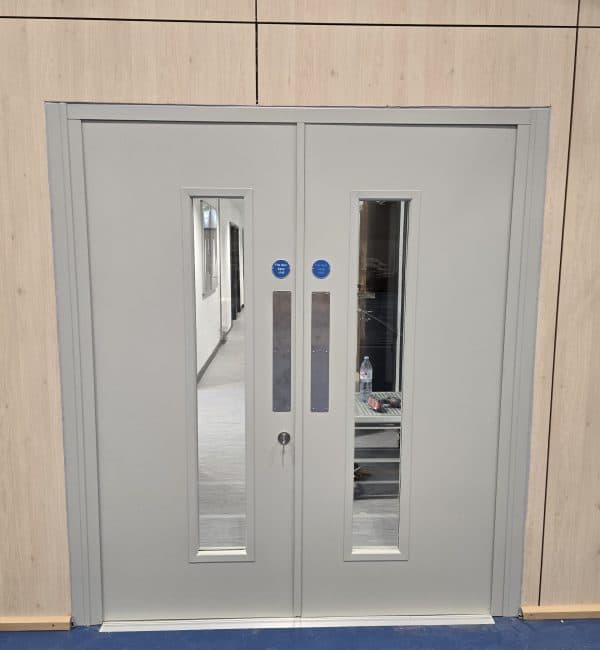
Sports halls are dynamic environments where physical activity is performed at a variety of intensities. Whether used for competitive events, community recreation, or physical education classes, these facilities must meet stringent safety standards to ensure the well-being of athletes, coaches, and spectators. One often-overlooked aspect of sports hall safety is the doors. While doors may seem like simple components of a building, they play a critical role in ensuring the safety and functionality of the space. From ensuring quick access and exit during emergencies to protecting users from injury, the safety standards for sports hall doors are crucial to the overall safety of the facility.
This article explores the safety standards for sports hall doors, including their design, materials, functionality, and compliance with legal regulations. Whether you're designing a new sports hall or updating an existing one, understanding these standards will help ensure a safer and more functional environment for all involved.
Key Safety Features for Sports Hall Doors
When it comes to sports hall doors, safety isn’t just about preventing access. The design and construction of the doors must meet various criteria that promote both functionality and safety. These standards are meant to ensure that doors perform effectively in all scenarios, from normal use to emergencies.
1. Accessibility and Ease of Use
Sports hall doors must be accessible to everyone, including people with disabilities. According to safety standards, doors should be wide enough to accommodate wheelchair users, strollers, or people with other mobility devices. In general, doorways in public sports facilities must meet minimum width requirements, which vary depending on local regulations. Ensuring easy access is key for both players and spectators, as it allows for smooth entry and exit.
2. Emergency Exits and Quick Release
In case of emergency, it is critical that sports hall doors allow for quick and safe evacuation of individuals. All sports halls must have clearly marked emergency exits that lead to safe, open areas. These exit doors must be easy to operate, even when the space is crowded, and should never be locked or blocked.
Emergency exits must comply with building regulations regarding exit width, hardware, and operation. Typically, these doors are equipped with panic bars or push-bars, which allow individuals to quickly exit the building with minimal effort. Additionally, the doors should open in the direction of exit traffic, ensuring that individuals can escape without obstruction.
3. Fire Safety Compliance
Fire safety is one of the most important considerations for all doors in a sports hall. The doors must be constructed from materials that meet fire resistance standards and are capable of preventing the spread of smoke and flames. Fire-rated doors are commonly used in sports halls, particularly for areas such as changing rooms, storage areas, or hallways that could be more vulnerable in the event of a fire.
Fire-rated sports hall doors are typically tested to ensure that they can withstand a specific amount of time under high heat before failing. In addition to the door itself, the frame, hinges, and seals must also meet fire safety standards. Furthermore, fire exit routes, including the doors, must be kept clear at all times to allow for quick evacuation during a fire emergency.
4. Durability and Strength
Sports halls are high-traffic environments that require doors capable of withstanding wear and tear. Doors in these areas must be durable and resistant to damage caused by constant use. This includes impacts from balls, athletes running into them, or general wear from repeated opening and closing.
Materials used in sports hall doors should be able to resist dents, scratches, and other forms of damage. Steel and reinforced fiberglass are common materials for sports hall doors due to their ability to withstand impact while maintaining structural integrity. Moreover, doors should be able to handle the intense physical activity that often takes place in sports halls, without compromising on safety or performance.
5. Acoustic Control
Sound control is another safety consideration in sports halls. The acoustic environment can influence the safety of athletes and participants. Sports halls are often large and open spaces, and the noise levels can rise significantly during events or practices. Excessive noise can distract participants, hinder communication, and potentially cause accidents.
To mitigate this, sports hall doors are often designed with soundproofing materials or acoustic seals that help reduce the noise entering or leaving certain areas. This can be particularly important in multi-use sports halls where different activities may occur simultaneously. Acoustic control not only improves safety but also contributes to the overall comfort of those using the facility.
Regulations and Standards for Sports Hall Doors
Sports halls must comply with local and national building codes and safety regulations. These codes set the standards for how doors should be constructed, installed, and maintained to ensure safety. Below are some common regulations that affect sports hall doors.
1. Building Codes and Door Size
Local building codes will often dictate the minimum size and specifications of doors in sports halls. For example, the width of the door may need to be large enough to accommodate large groups of people in the event of an emergency. For sports halls that host large crowds, such as those used for basketball or volleyball games, the number of doors and the dimensions of each door are critical for ensuring a quick and safe evacuation.
2. Accessibility Requirements
Compliance with accessibility standards, such as the Americans with Disabilities Act (ADA) in the U.S., is crucial for sports hall doors. These regulations ensure that doors are accessible to all users, including those with disabilities. Requirements may include features such as automatic door openers, minimal thresholds, and wide doorways. By following these regulations, sports halls can ensure that they are accessible to everyone, including individuals with mobility challenges.
3. Fire Safety Standards
As mentioned earlier, fire safety is a key concern for sports hall doors. National fire safety standards, such as those set by the National Fire Protection Association (NFPA), outline the requirements for fire-rated doors. These standards dictate the materials, construction methods, and fire resistance ratings required to ensure that doors can prevent the spread of fire and allow for safe evacuation.
Additionally, emergency exits and door hardware must meet specific guidelines, such as clear signage, illuminated exit signs, and functioning panic hardware, to ensure a smooth evacuation process in case of fire or other emergencies.
4. Energy Efficiency
Sports halls are often large, energy-intensive buildings. Doors can play a significant role in regulating the indoor climate, preventing drafts, and maintaining energy efficiency. Some building codes may require sports halls to incorporate energy-efficient doors that meet certain thermal performance standards. Insulated or double-glazed doors are typically used in sports halls to reduce heat loss, maintain comfortable indoor temperatures, and lower energy costs.
Types of Sports Hall Doors
Several types of doors are commonly used in sports halls, each designed to meet specific safety, functional, and aesthetic requirements.
1. Swing Doors
Swing doors are a common choice for sports halls due to their simplicity and effectiveness. These doors are easy to operate, and their design makes them suitable for high-traffic areas. They are often equipped with push bars or panic hardware for emergency use.
2. Automatic Sliding Doors
Automatic sliding doors are popular in sports halls because they offer hands-free operation. These doors are particularly useful in high-traffic areas and for entrances where ease of access is a priority. They also help reduce the risk of accidents or injury caused by manually operated doors.
3. Folding Doors
Folding doors are often used in sports halls for areas that require flexibility, such as partitioning off different sections of the hall. These doors fold back into themselves, allowing for maximum space when open. They must, however, meet all the same safety standards as traditional doors, including emergency egress and fire safety regulations.
4. Roller Shutter Doors
Roller shutter doors are commonly used for storage areas or to secure large openings in sports halls. These doors provide a high level of security and are often made from durable, impact-resistant materials. They also offer excellent protection against weather elements, making them suitable for sports halls with outdoor access.
Conclusion
Sports hall doors are more than just functional elements of a building; they are critical components in maintaining a safe and efficient environment for athletes, coaches, and spectators. From emergency exits to fire safety, accessibility, and durability, sports hall doors must meet a variety of stringent standards to ensure the safety of everyone who uses the facility.
If you are involved in the design, renovation, or maintenance of a sports hall, understanding the safety standards for sports hall doors is essential. Ensuring compliance with local building codes, fire safety regulations, and accessibility guidelines will help create a safer and more functional sports facility.
For more information on sports hall doors and how they can improve safety and functionality, contact Security Doors Direct today.
Comments