


Creating a comfortable and stylish outdoor living space begins with choosing the right outdoor patio furniture. The materials used in furniture construction determine not only the appearance and comfort but also its longevity and ability to withstand changing weather conditions. Selecting durable materials ensures that a patio remains inviting, beautiful, and functional year after year.
Understanding the Importance of Material Selection
Longevity and Maintenance
The materials chosen for outdoor furniture directly affect how well the pieces stand up to time and weather. High-quality, durable materials require less maintenance, saving time and effort while maintaining their look and integrity. Homeowners should consider how much exposure their furniture will have to sun, rain, wind, and humidity when making a decision.
Comfort and Aesthetics
Beyond durability, materials influence the comfort and style of outdoor furniture. Each material offers a unique texture, weight, and aesthetic appeal that can complement different design preferences, from rustic and traditional to sleek and contemporary.
Wood Furniture: Timeless and Natural
Popular Wood Choices
Wooden outdoor patio furniture brings natural warmth and character to any space. Common types include teak, cedar, eucalyptus, and acacia. Each of these woods offers distinctive features that make them suitable for outdoor use.
- Teak: Known for its high oil content, teak resists moisture and insect damage. It develops a beautiful silvery patina over time, making it a top choice for outdoor use.
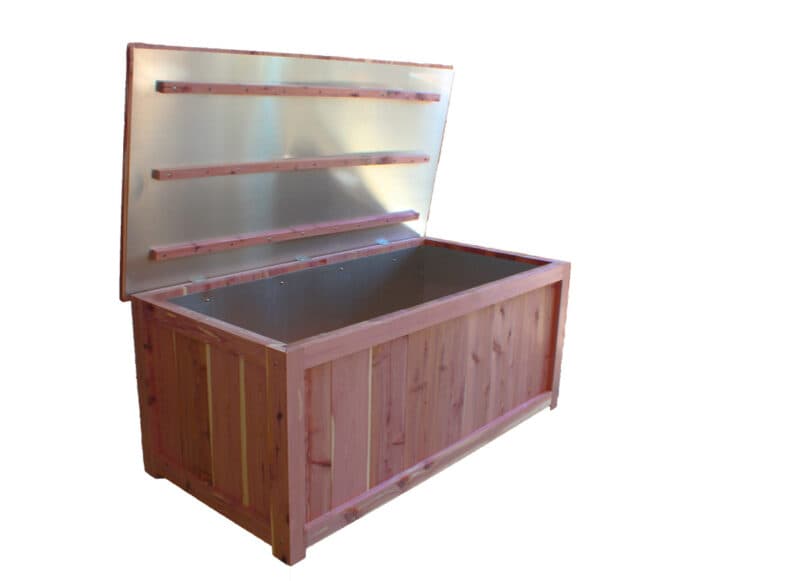
- Cedar: Lightweight yet durable, cedar naturally repels insects and resists decay. Its pleasant aroma and soft texture make it comfortable for casual seating areas.
- Eucalyptus and Acacia: Both offer durability and affordability. They require periodic oiling to maintain their rich color and finish.
Maintenance Tips for Wood Furniture
Wood furniture requires regular care to retain its beauty. Cleaning with mild soap and water, followed by an occasional application of protective oil or sealant, helps extend its lifespan. Covering or storing furniture during harsh weather conditions prevents cracking and discoloration.
Metal Furniture: Strength and Modern Appeal
Aluminum Furniture
Aluminum furniture is a favorite for its lightweight structure and rust resistance. Powder-coated finishes add color and protection, making it ideal for humid or rainy climates. It is easy to move and arrange, making it practical for patios that serve multiple functions.
Steel and Wrought Iron Furniture
For a more traditional or ornate look, steel and wrought iron are excellent options. These materials are known for their strength and sturdiness. To prevent rust, they are often treated with protective coatings or paint. Cushions and covers add comfort and help prevent heat absorption during sunny days.
Maintenance Considerations
Metal furniture requires occasional inspection for scratches or chips that might expose the surface to rust. A quick touch-up with rust-resistant paint or protective sealant can keep it looking new for years.
Wicker and Rattan Furniture: Classic and Comfortable
Natural Rattan
Natural rattan offers a warm, organic appearance that suits both rustic and coastal-inspired outdoor spaces. However, it is best used in covered patios or areas with limited exposure to rain, as moisture can weaken its fibers over time.
Synthetic Wicker
Synthetic wicker, made from resin or polyethylene, is a modern alternative designed to withstand the elements. It mimics the natural look of rattan while offering excellent weather resistance. Furniture made from synthetic wicker retains its shape and color even under direct sunlight and heavy rain.
Cleaning and Care
Both natural and synthetic wicker furniture can be cleaned with a soft brush and mild soap solution. For long-term preservation, covering the furniture or bringing it indoors during extreme weather helps maintain its condition.
Plastic and Resin Furniture: Affordable and Low Maintenance
Lightweight and Versatile
Plastic and resin furniture are valued for their affordability and ease of maintenance. Modern designs have evolved to include sophisticated finishes that mimic wood or metal, giving homeowners a stylish yet cost-effective option.
UV and Weather Resistance
High-quality resin furniture is UV-resistant, preventing fading or brittleness from prolonged sun exposure. It also resists moisture, making it an excellent choice for poolside or beachfront settings.
Maintenance Tips
Regular cleaning with water and a mild detergent is typically all that is needed. To prevent discoloration, furniture can be stored or covered when not in use.
Stone and Concrete Furniture: Solid and Sophisticated
Aesthetic Appeal
Stone and concrete furniture create a strong visual statement in outdoor settings. These materials are perfect for modern or minimalist designs, offering an elegant, permanent presence in gardens or patios.
Durability and Stability
Concrete and stone are exceptionally durable, resistant to both heat and moisture. Their weight ensures stability in windy conditions, although it also makes them less portable.
Maintenance Requirements
To prevent staining, stone and concrete surfaces should be sealed periodically. Regular cleaning with water helps maintain their appearance, while avoiding abrasive cleaners protects the surface finish.
Fabric and Cushion Materials: Comfort Meets Durability
Weather-Resistant Fabrics
The choice of fabric plays a significant role in the comfort and lifespan of outdoor patio furniture. Weather-resistant materials such as solution-dyed acrylic, olefin, and polyester are designed to resist fading, mold, and mildew.
- Solution-Dyed Acrylic: Highly resistant to UV rays and stains, it retains color and texture even with prolonged outdoor exposure.
- Olefin: Known for its strength and quick-drying properties, it resists mold and fading effectively.
- Polyester: An affordable option that performs well with proper treatment or coatings for outdoor use.
Cushion Care
Removable, washable covers make cleaning easy. Storing cushions in a dry place during heavy rain or winter months prolongs their usability. Regular fluffing helps maintain their shape and comfort.
Combining Materials for Enhanced Functionality
Mixed-Material Designs
Many modern outdoor furniture sets combine materials to balance aesthetics, durability, and comfort. A table may feature a metal frame with a wooden top, or chairs might pair aluminum legs with wicker seats. These combinations allow for creative design flexibility while maximizing strength and weather resistance.
Matching Style with Function
When combining materials, homeowners should ensure compatibility in maintenance and longevity. Pairing materials with similar care requirements simplifies upkeep and keeps the furniture looking cohesive.
Factors to Consider When Buying Outdoor Patio Furniture
Climate and Environment
Weather conditions play a major role in determining the right material. Humid and coastal areas may require rust-proof or moisture-resistant options, while dry and sunny regions call for UV-resistant materials.
Usage and Space
The intended use of the patio helps guide material selection. For example, areas meant for dining may benefit from sturdy tables and chairs, while lounges or conversation sets prioritize comfort and lightweight design.
Budget and Longevity
While budget considerations are important, investing in quality materials often results in longer-lasting furniture. Spending slightly more upfront can save replacement costs in the long run.
Sustainability in Outdoor Furniture
Eco-Friendly Materials
Many manufacturers now offer sustainable options such as recycled plastic, reclaimed wood, or responsibly sourced timber. These materials reduce environmental impact while providing durability and aesthetic appeal.
Longevity as Sustainability
Choosing long-lasting materials is also an environmentally responsible choice. Furniture that withstands years of use reduces waste and promotes sustainability.
Maintenance Best Practices for Longevity
Seasonal Care
At the start and end of each season, inspect furniture for wear, tighten any loose fittings, and clean thoroughly. Proper storage during winter months prevents unnecessary wear.
Use of Protective Covers
Furniture covers provide an extra layer of protection from rain, sun, and dust. Choosing covers that fit well ensures full protection and ease of use.
Regular Cleaning
Routine cleaning helps prevent buildup of dirt, pollen, and moisture. Using gentle cleaning products designed for specific materials maintains the furniture’s original finish and color.
Conclusion
Selecting the right material for outdoor patio furniture involves balancing durability, style, comfort, and maintenance needs. Whether crafted from wood, metal, wicker, or modern composites, the best choice will depend on climate, design preferences, and how the space is used. By investing in high-quality materials and proper care, homeowners can create an outdoor living area that remains inviting and elegant for many years. For expert guidance and inspiration in creating durable and beautiful outdoor spaces, homeowners can turn to the trusted professionals at Atlantic Outdoors LLC.
Comments