


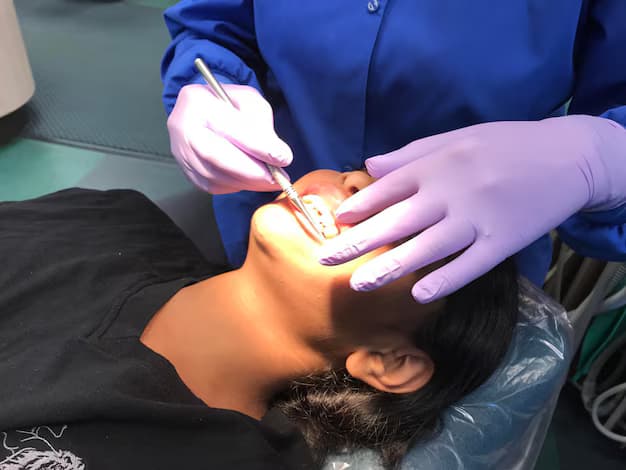
Root planing is an essential procedure in the treatment of gum disease, particularly in cases where inflammation and infection have spread below the gumline. This deep cleaning procedure involves removing plaque, tartar, and bacteria from the surfaces of the teeth and smoothing the roots of the teeth to promote better gum attachment. While the procedure itself is effective at combating gum disease, proper aftercare is crucial to ensure successful healing and prevent further complications.
This guide will cover essential aftercare tips following dental scaling and root planing, offering helpful advice for maintaining comfort, preventing infection, and promoting the recovery of healthy gums. By following these guidelines, patients can ensure the effectiveness of the treatment and enjoy improved oral health.
1. What Is Dental Scaling and Root Planing?
The Procedure Overview
Dental scaling and root planing is a non-surgical procedure typically performed when gum disease has progressed to a point where standard cleanings are no longer effective. It involves two main steps: scaling, which removes plaque and tartar from above and below the gumline, and root planing, which smooths the roots of the teeth to eliminate bacteria and help the gums reattach. This treatment is designed to halt the progression of gum disease and prevent tooth loss or further complications.
Why Aftercare Is Important
After dental scaling and root planing, the gums may be tender and inflamed. Proper aftercare ensures that the gums heal effectively, preventing infection and reducing the risk of complications such as bleeding, further gum recession, or reinfection. Following post-treatment care instructions carefully will also help manage discomfort and promote the reattachment of the gums to the teeth.
2. Managing Discomfort and Swelling
Pain and Sensitivity
It’s normal to experience mild discomfort, tenderness, and sensitivity following root planing. The gums may be irritated as a result of the procedure, which involves deep cleaning beneath the gumline. Sensitivity to hot, cold, or sweet foods and drinks is common in the days after the treatment. Over-the-counter pain medications like ibuprofen or acetaminophen can help alleviate discomfort, but it’s important to follow the dosage instructions provided by your healthcare provider.
Reducing Swelling
Swelling around the gumline is another common aftereffect of dental scaling and root planing. Applying a cold compress to the outside of your face near the treated area can help reduce swelling and minimize discomfort. It’s generally recommended to apply the compress for 15 to 20 minutes at a time, taking breaks in between. If the swelling does not subside after a couple of days or worsens, it’s essential to contact your dentist for further evaluation.
3. Oral Hygiene Practices After Root Planing
Brushing Your Teeth
Maintaining proper oral hygiene is essential after root planing, but you should brush your teeth gently to avoid irritating the treated areas. Use a soft-bristled toothbrush and brush in small, circular motions to clean the teeth and gums without causing discomfort. It’s important to avoid brushing too aggressively, as this can further irritate the sensitive gum tissue. Brushing twice a day for two minutes each time is the best practice, but you may want to focus on the areas of the mouth that were treated with extra care.
Flossing Carefully
Flossing is essential for keeping your teeth and gums clean, but after dental scaling and root planing, it’s important to be extra gentle while flossing around the treated areas. Use a soft floss or floss threader to avoid causing damage to the gum tissue. Be cautious not to force the floss between your teeth, as this could irritate or damage your gums.
Antimicrobial Mouthwash
Your dentist may recommend an antimicrobial or antiseptic mouthwash to help reduce bacteria and prevent infection. These mouthwashes are designed to kill harmful bacteria while being gentle on the healing gums. Avoid using mouthwash that contains alcohol, as it can cause dryness and irritation in the mouth. Your dentist will provide specific instructions on how to use the mouthwash, and it’s important to follow those guidelines closely.
4. Diet and Food Choices After Treatment
Soft Diet
For the first few days following dental scaling and root planing, it’s important to stick to a soft diet. Eating soft foods reduces the risk of irritating the gums or causing discomfort. Foods like yogurt, smoothies, soups, mashed potatoes, and soft fruits are ideal choices. Avoid foods that are crunchy, spicy, or acidic, as they can cause discomfort or increase sensitivity in the treated areas.
Avoiding Hot and Cold Foods
Since your gums may be sensitive after the procedure, it’s a good idea to avoid eating hot or cold foods and drinks for a few days. Extreme temperatures can trigger discomfort or pain, particularly if the gum tissue is still healing. Opt for room-temperature or lukewarm foods and beverages to help minimize discomfort during the recovery period.
Staying Hydrated
It’s important to stay hydrated to support the healing process. Drinking plenty of water will help maintain moisture in your mouth, reduce dryness, and prevent bacteria buildup. Water also helps flush away food particles and bacteria that can contribute to oral infections.
5. Preventing Infection and Promoting Healing
Signs of Infection to Watch For
While infections following dental scaling and root planing are rare, it’s still important to monitor your gums for signs of infection. These may include:
- Increased pain or discomfort that does not improve with over-the-counter pain relief
- Swelling or redness that worsens over time
- Bleeding that does not stop after a few hours
- Pus or an unpleasant taste in the mouth
- Fever
If you experience any of these symptoms, it’s important to contact your dentist as soon as possible to prevent further complications.
Using Prescribed Medications
If your dentist prescribes antibiotics or pain relievers after the procedure, it’s important to follow the instructions carefully. Antibiotics are often prescribed to prevent infection by eliminating bacteria from the mouth. Taking the full course of antibiotics is essential, even if you start feeling better before finishing the prescription.
6. Lifestyle Changes to Support Recovery
Avoiding Tobacco and Alcohol
Tobacco use can significantly hinder the healing process after dental scaling and root planing. Smoking and chewing tobacco can reduce blood flow to the gums, impairing their ability to heal and reattach to the teeth. Additionally, tobacco is a leading cause of gum disease, and using it after treatment can increase the likelihood of the condition returning. It’s also advisable to avoid alcohol during the healing process, as it can irritate the gums and interfere with the effectiveness of prescribed medications.
Staying Active, But Avoiding Overexertion
While it’s important to maintain a healthy lifestyle, it’s recommended that you avoid heavy physical exertion for a few days after the procedure. Strenuous activities can cause increased blood flow to the mouth, which could lead to more swelling or bleeding. Light activities such as walking or gentle stretching are fine, but it’s best to avoid intense workouts until you’ve fully recovered.
7. Follow-Up Appointments and Long-Term Care
Importance of Follow-Up Visits
After scaling and root planing, your dentist may schedule follow-up visits to check on the healing progress. These visits are important to ensure that your gums are reattaching to the teeth properly and to monitor for any signs of infection or complications. Your dentist will also assess whether additional treatments, such as maintenance cleanings or further root planing, are needed.
Long-Term Gum Care
Even after your gums have healed from scaling and root planing, it’s important to maintain a regular routine of dental care to prevent the recurrence of gum disease. Regular cleanings, proper brushing and flossing, and a healthy diet are key to keeping your gums and teeth healthy. Your dentist may recommend more frequent cleanings if your gums are prone to gum disease or if you have a history of periodontal issues.
Regular Checkups
Routine dental checkups every six months or as advised by your dentist will help monitor your gum health and detect any early signs of gum disease before it progresses. If you experience any new symptoms or concerns about your oral health, don’t hesitate to contact your dentist for guidance.
Conclusion
Proper aftercare following dental scaling and root planing is essential for promoting healing and ensuring the success of the treatment. By managing discomfort, maintaining good oral hygiene, avoiding certain foods and habits, and following your dentist’s instructions, you can help ensure that your gums heal effectively and that gum disease is kept at bay.
For individuals in Puri dentistry, seeking to maintain or improve their oral health, it’s important to schedule regular checkups and cleanings, follow proper aftercare, and consult with a dentist if any concerns arise after the procedure. By staying proactive with your oral health, you can enjoy a healthier, more vibrant smile for years to come.
Comments