


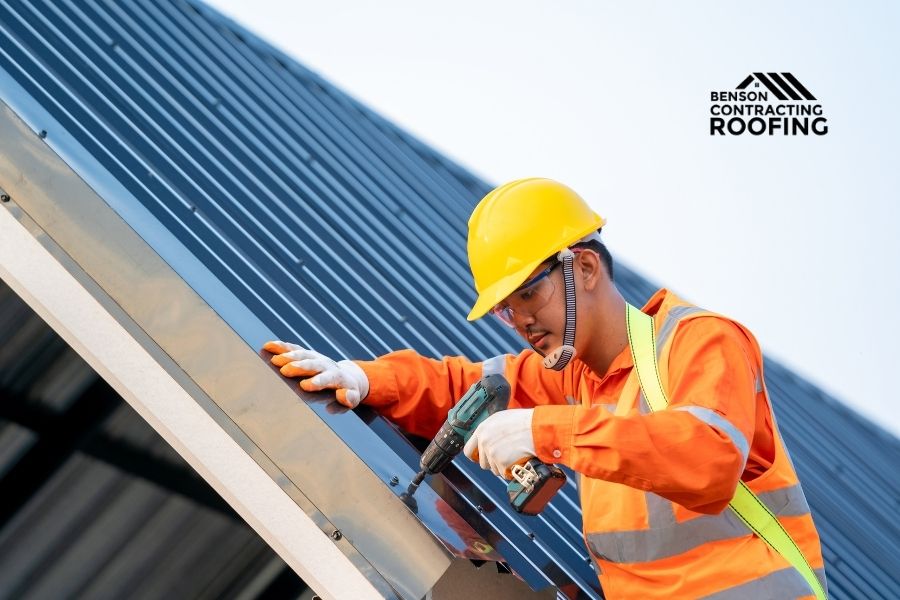
In an era where climate change, rising energy costs, and shrinking natural resources are pressing concerns, the construction and roofing industry is undergoing a green revolution. For homeowners, businesses, and builders alike, sustainable roofing is no longer a niche — it's fast becoming the standard. As we move into 2026, innovations in materials, technology, and design are reshaping what a roof can be: from a basic shelter to a smart, energy-efficient, low-impact component of a building’s ecosystem. At benson contracting roofing, we’re excited to explore these advancements and help you make greener, smarter choices for your next project.
Why Sustainable Roofing Matters More Than Ever
- Environmental Impact & Waste Reduction
- Traditional roofing materials — asphalt shingles, conventional tiles, etc. — often rely on virgin resources and produce significant waste over their lifecycle, especially when roofs need replacement. Eco-friendly alternatives reduce demand for new raw materials and divert waste from landfills. Recycled plastic, metal, rubber, and other materials give discarded materials a second life.
- Energy Efficiency & Lower Operating Costs
- As energy costs rise and cooling demands increase — especially in warmer climates — roofs play a vital role in thermal regulation. “Cool roofs,” reflective coatings, and energy-efficient materials help keep indoor temperatures lower, reducing the need for air conditioning and cutting electricity usage.
- Durability & Long-Term Value
- Many sustainable roofing materials offer extended lifespans, greater resilience to weather, and lower maintenance, reducing the frequency of replacements and associated environmental impact.
- Regulatory Pressures & Green Building Standards
- Governments and building regulators across the world are increasingly requiring energy-efficient and low-carbon building practices. As demand grows for green-certified buildings, adopting eco-friendly materials becomes a logical — sometimes mandatory — choice.
Given these drivers, it’s no surprise the roofing sector is seeing rapid innovation.
What’s New in 2026: Emerging & Evolving Sustainable Roofing Materials
Here are some of the most promising, up-and-coming sustainable roofing and building-material trends that are shaping 2026:
1. Advanced Recycled-Composites: Plastic & Rubber-Based Roofing
Roofing tiles and shingles made from recycled plastics, rubber (like old tires), and mixed polymers are gaining serious traction. These materials offer impressive durability, weather resistance, and aesthetic flexibility — often mimicking slate, wood shake, or traditional tiles while diverting waste from landfills.
- Some composite shingles now incorporate up to 95% recycled content, while offering impact resistance and long-term warranties.
- These materials often weigh less than traditional tiles, reducing structural load and making them easier to transport and install — which also lowers associated carbon emissions.
- End-of-life recyclability means these roofs can be reprocessed — closing the loop rather than ending up in a dump.
In 2026, we’re seeing an uptick in availability, broader color/styles choices, and better performance even in challenging climates — making recycled-composite roofing a viable mainstream alternative.
2. Solar-Integrated Roofing (PV Roof Tiles & Solar Shingles)
Perhaps the most exciting shift: roofs that don’t just cover — they power. Photovoltaic (PV) roof tiles and solar shingles are no longer high-end novelties; they’re entering mainstream residential and commercial roofing markets.
- These systems integrate solar cells directly into roofing tiles or metal panels, blending aesthetics and functionality.
- Many 2025–2026-era products are optimized for improved efficiency, better durability, and seamless integration with battery storage or smart-home systems — offering energy independence for building owners.
- Adoption is growing rapidly as solar technology becomes more efficient and cost-effective; solar-integrated roofs are increasingly seen not only as green but also economically smart investments.
For regions with ample sunlight (like many parts of India), solar roofs offer a dual benefit — durable roofing and renewable energy generation.
3. Green Roofs & Living Roof Systems
“Green roofs,” or vegetated roofs, continue to rise in popularity — not just for eco-conscious buyers, but also for urban planners seeking better stormwater management, heat island mitigation, and biodiversity support.
- A green roof adds a layer of soil/media and vegetation over a waterproof membrane, improving insulation, absorbing rainfall, and reducing runoff.
- They contribute to better air quality, habitat for plants and insects, and reduce ambient air temperatures around buildings — a strong benefit in urban or densely built areas.
- While maintenance and structural load are considerations, newer lightweight modular systems and engineered soils are making green roofs more practical and accessible than ever.
In 2026, the versatility of green roofs is improving — from full-coverage vegetated rooftops to partial green zones, rooftop gardens, and hybrid solar-plus-green installations.
4. Cool Roofs & High-Reflectivity Coated Roofing
For many climates — especially hot and sunny ones — “cool roofs” remain a highly practical eco-friendly choice. These roofs use reflective surfaces or coatings to minimize heat absorption, reducing cooling loads and extending the lifespan of roofing materials.
- Using highly reflective pigments or materials like metal helps lower the roof’s surface temperature by significant margins — which directly translates to lower indoor temperatures, reduced AC usage, and energy savings.
- Cool roofs also contribute to reducing urban heat island effects — a growing concern in dense, rapidly urbanizing cities worldwide.
- These solutions often require little maintenance, making them an efficient “set-and-forget” upgrade for hot climates.
Given many parts of India — including Haryana and the Delhi-NCR region — experience intense heat for large parts of the year, cool roofs remain extremely relevant and valuable.
5. Bio-Based, Low-Carbon & Natural Roofing Materials
Beyond recycled plastics and metals, there's growing interest in truly natural and carbon-sequestering building materials — from bamboo and hempcrete to cork, mycelium-based panels, and other bio-composites.
- These materials are often renewable, biodegradable at end-of-life, and have lower embodied carbon than petroleum-derived products.
- Bio-based panels are increasingly used for cladding as well as roofs, helping builders meet green-building certifications and sustainability goals.
- As manufacturing technologies evolve, we are starting to see bio-based roofing materials that meet or even exceed traditional materials in durability and performance.
While adoption in India and other developing countries is still in early stages, these materials hold significant promise for low-cost, low-impact, and climate-adapted construction.
6. Smart Roofing & Monitoring Systems
2026 isn’t just about what the roof is made of — it’s also about what the roof knows. Integration of sensors, smart ventilation, leak detection, and roof-performance monitoring is becoming more common in eco-roofing solutions.
- Some modern roofing systems include leak sensors, temperature and humidity monitoring, and structural health tracking, allowing proactive maintenance before small issues become big problems.
- In hybrid designs — such as solar-integrated or green roofs — smart systems help optimize energy generation, water use, and indoor climate control.
- This not only improves longevity and performance but also aligns roofs with broader “smart building” and sustainability goals.
Integrating smart roofing solutions can make a significant difference over the lifespan of a building — especially for commercial projects, multi-family housing, or properties in areas with extreme weather.
What This Means for India & the Delhi-NCR Region (Including Faridabad)
As you read this, thousands of new buildings are going up in the Delhi–NCR region. For builders, homeowners, and developers in Faridabad and nearby areas, the innovations of 2026 offer powerful opportunities:
- Reduced Cooling Load: With long summers and high temperatures — especially in places like Faridabad — cool roofs or reflective metal roofs can dramatically reduce indoor heat, lowering electricity bills and cooling load.
- Waste Reduction & Circular Economy: Using recycled plastic or rubber-based roofing materials helps tackle India’s growing plastic and rubber waste problem — turning waste into long-lasting building materials.
- Sustainability Credentials: As green building certifications and sustainable practices become more valued, solar-integrated roofs, bio-based materials, and green roofs can significantly increase property appeal and value.
- Energy Savings & Long-Term Value: In a market where energy prices may fluctuate and maintenance costs are high, investing in long-lasting, durable materials and smart roofing pays off over decades.
- Adaptation to Regulations & Climate Goals: With increasing focus on sustainable construction, energy efficiency, and carbon reduction in India and globally, these materials help comply with future regulations or building-code changes.
At benson contracting roofing, we believe that clients deserve roofing solutions that are not just strong and weather-proof — but also future-ready, environmentally responsible, and cost-efficient over the long run.
Challenges & What to Watch Out For
As promising as eco-friendly roofing is, there are a few caveats and important considerations to keep in mind:
- Upfront Cost vs. Long-Term Value: Some sustainable or high-tech roofing materials (solar shingles, green-roof systems, bio-based panels) may have higher initial costs compared to conventional options. However, long-term energy savings and durability often justify the investment.
- Structural & Maintenance Requirements: Green roofs and some composite or bio-based systems may require careful structural analysis (for load-bearing), regular maintenance (for vegetation), or professional installation to ensure performance.
- Performance in Local Climate: Materials suited for cold or temperate climates may behave differently in hot, humid environments. It’s important to choose materials designed for your region’s climate — something local contractors like us are well positioned to advise on.
- Supply & Local Availability: While global manufacturers are innovating, the availability of some advanced materials (like solar tiles or certified bio-composites) may vary regionally. Local sourcing and supply-chain logistics must be considered.
Why Choose benson contracting roofing for Your Next Green Roofing Project
As a forward-looking roofing provider, benson contracting roofing is committed to delivering modern, sustainable, high-quality roofing solutions that align with global best practices — while catering to local needs and climate conditions.
- We stay updated with the latest industry innovations, offering you access to recycled, solar-integrated, bio-based, cool, and smart roofing materials.
- Our team can guide structural assessment, climate suitability, and long-term roof performance — ensuring that green roofs or eco-friendly materials perform as promised.
- We help balance cost, sustainability, and durability, delivering solutions optimized for energy savings, low maintenance, and environmental responsibility.
- With growing focus on green construction and eco-responsible building, investing in sustainable roofing today ensures your building stays relevant, efficient, and compliant tomorrow.
Conclusion
The roofing landscape in 2026 is dramatically different from just a few years ago. What was once considered niche or experimental — solar shingles, recycled plastic tiles, green roofs, smart monitoring systems — is rapidly becoming mainstream. These innovations offer a powerful combination: reduced environmental impact, lower operating costs, long-term durability, and future-proofing.
For homeowners, builders, and developers in India and beyond, embracing sustainable roofing is no longer just about being “green.” It’s a smart investment, aligning with energy efficiency, waste reduction, and evolving building-code standards.
At benson contracting roofing, we're excited to be part of this transformation — helping you make choices that are good for your home, your wallet, and the planet.
Comments