


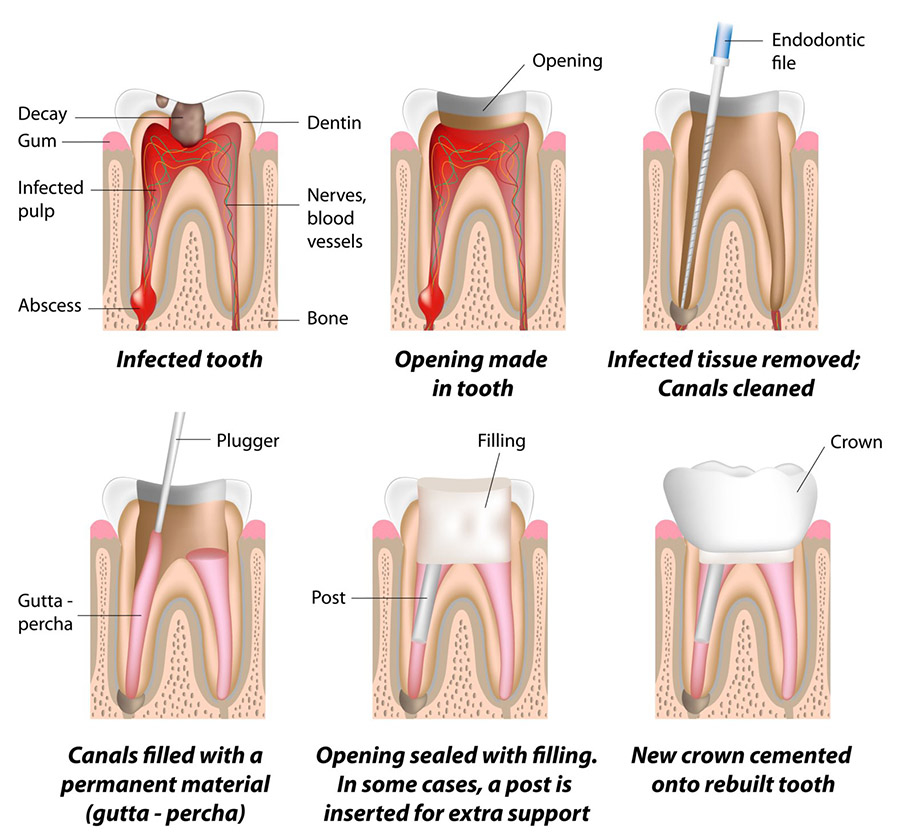
Root canal treatment is one of the most predictable and effective dental procedures, but many patients still wonder how external factors—like high altitude—can influence healing. This question is especially relevant for people who travel, hike, or fly shortly after treatment. If you’re planning dental care around travel, you might also wonder how Root Canal Treatment in Islamabad responds to changes in atmospheric pressure and oxygen levels. This detailed FAQ-style guide explains how altitude affects recovery, what to avoid, and how to heal efficiently no matter where you go.
Why Would Altitude Affect Root Canal Healing?
Altitude affects your body in several ways—lower oxygen levels, air pressure changes, and dehydration. These same changes can influence oral tissues, swelling, and post-treatment sensitivity.
Here’s why altitude might matter after a root canal:
- Less oxygen at high altitudes may slow tissue repair.
- Air pressure differences can increase sensitivity in recently treated teeth.
- Dry environments can irritate oral tissues and gums.
- Changes in circulation may affect inflammation levels.
Most people recover normally, but understanding these effects can help prevent discomfort during travel or hiking.
Does High Altitude Increase Tooth Pressure After a Root Canal?
Yes, it can—though usually only temporarily.
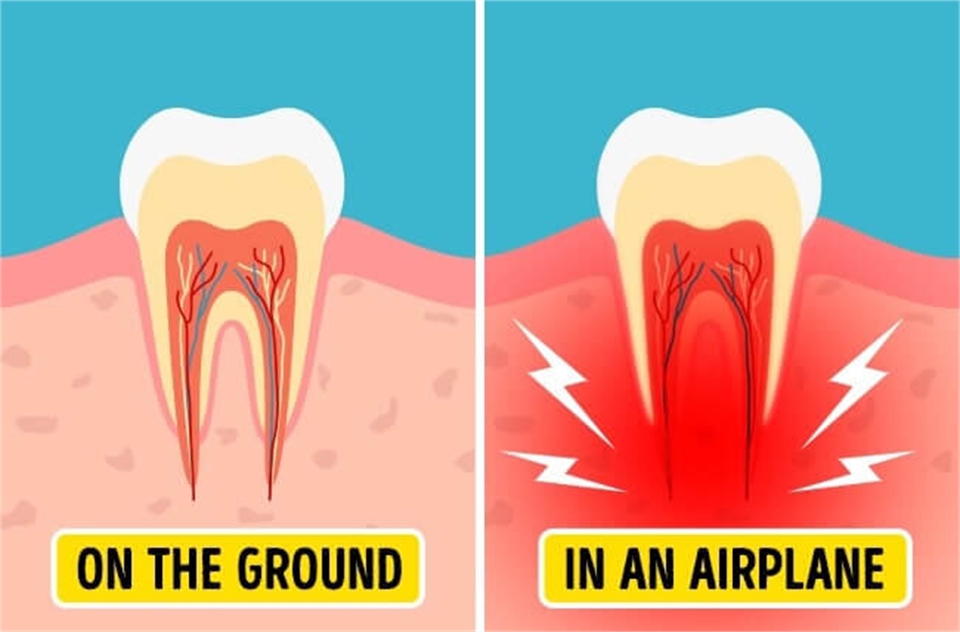
A recently treated tooth may still contain pockets of healing air or microscopic spaces around the root. When external air pressure drops at high elevations (or in an airplane cabin), this trapped air can expand slightly. This can lead to:
- Mild pressure
- Sensitivity
- A dull ache
- Throbbing during ascent
This is similar to “tooth squeeze,” a phenomenon experienced by pilots and frequent flyers.
Good news:
Once inflammation subsides and the permanent filling or crown is placed, pressure sensitivity usually disappears.
Tip:
Avoid high-altitude travel for 24–48 hours after the procedure if possible.
Can Flying After a Root Canal Slow Down Healing?
Flying does not directly damage the tooth or reverse the treatment. However, it may slow healing or cause discomfort due to:
- Cabin pressure changes that affect sensitive nerves
- Lower oxygen concentration in the cabin
- Dry air, which can lead to mouth dryness and irritation
If your tooth had an active infection before treatment, altitude might increase discomfort until the infection fully resolves.
Air travel is generally safe, but dentists recommend waiting:
- 24–72 hours after a simple root canal
- 5–7 days if infection or swelling was present
Can Altitude Make Root Canal Pain Worse?
Yes, altitude can temporarily intensify pain during the early stages of healing.
You may notice:
- Increased throbbing
- More sensitivity when chewing
- Pain when ascending mountains or during takeoff
- Sharp responses to cold drinks
This happens because inflamed tissues around the tooth root are more reactive to pressure and oxygen changes.
However, altitude does not create new damage—symptoms typically return to normal once you’re back to lower elevations.
QUICK FACTS TABLE: Root Canal vs. Altitude Effects

Factor Effect at High Altitude Impact on Healing Air Pressure Changes Expanding air pockets in tooth Temporary discomfort Oxygen Level Drop Reduced circulation Slower tissue repair Dry Cabin/Mountain Air Oral dryness Irritation around treated area Physical Exertion at Altitude Faster heartbeat & blood flow changes Increased sensitivity Travel Stress Irregular medication schedule Potential flare-ups
Should I Delay High-Altitude Travel After a Root Canal?
If you can delay, yes—it’s better.
But if you must travel, keep these guidelines in mind:
Safe Travel Timeline After a Root Canal
- Simple root canal: Wait 24–48 hours
- Complex/infected case: Wait 3–7 days
- Swelling, pus, or severe infection before treatment: Wait 1 week
Traveling Anyway? Do This:
- Take pain relievers prescribed by your dentist
- Use a mouth guard if grinding during travel
- Avoid cold drinks (especially on airplanes)
- Stay hydrated
- Chew on the untreated side
When to Cancel Travel:
- Severe pain
- Ongoing swelling
- Fever or drainage
- High sensitivity to bite pressure
If any of these occur, altitude will likely worsen symptoms.
What Precautions Should I Take When Traveling After Treatment?
If you expect a flight or mountain trip soon after the procedure, follow these safety steps:
- Complete all prescribed medication
- Especially antibiotics—interrupted infection control may complicate flight symptoms.
- Use warm saltwater rinses
- Helps keep tissues soothed and hydrated.
- Avoid extreme temperatures
- This includes icy drinks or very hot beverages in-flight.
- Keep your mouth hydrated
- Altitude dries the mouth quickly—use:
- Sips of water
- Moisturizing mouth sprays
- Sugar-free gum
- Wear your temporary crown carefully
- If your tooth has a temporary filling, altitude can increase sensitivity. Avoid sticky foods.
REVIEWS SECTION — What Patients Say About Altitude After Root Canal
"I had a root canal two days before flying to Skardu. I felt some pressure during takeoff, but it went away after 10 minutes. My dentist warned me, so I knew what to expect."
"I went hiking in the northern areas at 10,000+ feet three days after my treatment. Had mild throbbing the first day, but painkillers helped and the trip was fine."
"I flew internationally the same evening after my root canal. My mouth was a bit dry, but no pain. Drinking plenty of water really made a difference!"
Does Altitude Affect Root Canal Success Long-Term?
No, altitude changes cannot ruin your root canal or cause treatment failure.
Root canal success depends on:
- Proper cleaning of root canals
- Good sealing of the filling
- Final crown placement
- Your oral hygiene habits
Altitude affects comfort, not treatment success.
There is no long-term danger—only temporary symptoms.
What If My Tooth Hurts Severely at High Altitude?
Severe pain is not normal and could mean:
- Persistent infection
- Temporary filling leakage
- Pressure trapped inside the tooth
- Gum inflammation
- Bite misalignment
If this happens:
Immediate Steps:
- Take ibuprofen (if safe for you)
- Drink warm water
- Avoid chewing
- Relax your jaw
Seek urgent dental care if:
- Pain is sharp and continuous
- Swelling increases
- You have difficulty sleeping
- Fever appears
Altitude should not cause severe pain—this usually indicates an underlying issue.
How Can I Make Healing Faster Before Traveling?
You can speed up healing with the following:
- Avoid chewing on the treated tooth
- Especially until the final crown is placed.
- Maintain excellent oral hygiene
- Keeps bacteria from re-infecting the area.
- Take medications on schedule
- Especially antibiotics.
- Sleep well
- Your immune system works best when you rest.
- Avoid smoking
- It significantly delays root healing.
- Eat soft, non-irritating foods
- E.g., yogurt, soup, smoothies, mashed potatoes.
Doing these helps stabilize the tooth before altitude exposure.
Conclusion — Can Altitude Affect Root Canal Healing?
Altitude does not harm the success of a root canal, but it can cause temporary discomfort, especially within the first few days of healing. Changes in pressure, oxygen levels, and dry air may worsen sensitivity, but these effects are temporary and manageable.
If you’re planning high-altitude travel or flights soon after your procedure, preparing properly and understanding your symptoms will make the experience safer and more comfortable.
Your root canal will continue to heal normally as long as infection is controlled and dental follow-ups are completed.
CONTACT US – Book Your Appointment Today
If you need expert guidance before traveling or want to schedule a safe and comfortable Root Canal Treatment in Islamabad, our experienced dental team is here to help.
Address : Office Number LG 20 - 21 Interlace Plaza I-8 Markaz Islamabad
Phone : +92 333 5705871
Email : [email protected]
Book your consultation now and get personalized advice for safe healing!
Comments