


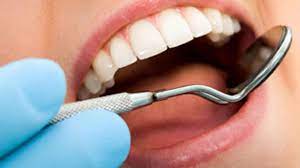
If you’re dealing with extensive dental issues, undergoing a full mouth reconstruction can be a life-changing solution. Full mouth reconstruction refers to a comprehensive treatment that involves rebuilding or restoring all of the teeth in both the upper and lower jaws. It is ideal for people suffering from severe tooth wear, decay, trauma, or bite dysfunction. This step-by-step guide will walk you through the Full Mouth Rehabilitation process, highlighting what to expect at each stage and how to achieve lasting oral health and aesthetic results.
Step 1: Comprehensive Consultation and Evaluation
The first and most important phase of full mouth reconstruction is the initial consultation and thorough oral evaluation. Your dentist will assess the overall health of your teeth, gums, jaw, and bite to create a customized plan.
During this stage, you can expect:
- Complete dental exam including X-rays and intraoral photos
- Impressions and molds of your current bite and tooth structure
- Discussion of symptoms like jaw pain, sensitivity, or chewing issues
- Review of medical and dental history to ensure safe treatment
- Setting goals and expectations based on your unique needs
This foundational step ensures that your dentist has a full understanding of your oral condition before designing your treatment plan.
Step 2: Creating a Customized Treatment Plan
Once your evaluation is complete, your dentist will develop a personalized full mouth reconstruction plan that addresses functional, restorative, and aesthetic concerns in a logical sequence.
Your custom plan may include:
- Restorative work like crowns, bridges, or dental implants
- Cosmetic enhancements such as veneers or bonding
- Orthodontic treatment to correct bite alignment
- Periodontal treatment if you have gum disease
- TMJ therapy if jaw pain or dysfunction is present
Each part of the plan is designed to work in harmony to restore both the function and appearance of your smile.
Step 3: Preparing the Oral Environment
Before your main restorative work can begin, the oral environment must be optimized. This includes addressing any infections, inflammation, or bone and gum issues that may interfere with treatment success.
Preparatory treatments often involve:
- Deep cleaning or scaling and root planing to eliminate gum disease
- Tooth extractions if any teeth are beyond repair
- Bone grafting or sinus lifts to support future implants
- Temporary restorations to stabilize bite and function
- Minor surgical procedures, if required, to restore soft tissues
This phase ensures that your mouth is healthy and ready for the next steps of reconstruction.
Step 4: Rebuilding the Teeth and Bite
This is the core phase of full mouth reconstruction, where your teeth are rebuilt, replaced, or restored. Depending on your treatment plan, this process may span several appointments over weeks or months.
Common procedures performed include:
- Placement of dental implants to replace missing teeth
- Application of crowns or bridges to strengthen existing teeth
- Use of veneers for front teeth to improve aesthetics
- Orthodontic adjustments with braces or clear aligners
- Restoration of bite alignment to reduce jaw tension
This stage is where your new smile takes shape, providing strength, function, and visual transformation.
Step 5: Fine-Tuning and Adjustments
After major treatments are complete, your dentist will fine-tune the restorations for comfort and functionality. Ensuring that your bite, speech, and chewing feel natural is critical for long-term success.
During this adjustment phase, you may receive:
- Bite analysis and occlusal adjustments for precision
- Follow-up imaging to confirm positioning and alignment
- Temporary restorations replaced with permanent ones
- Aesthetic tweaks to shade, size, or shape if needed
- Recommendations for night guards or appliances for protection
Your dentist will work closely with you to ensure the result not only looks great but feels right too.
Step 6: Aftercare and Long-Term Maintenance
After completing Full Mouth Rehabilitation Treatment, maintaining your new smile is essential. Proper aftercare will ensure your restorations remain functional and attractive for years to come.
Post-treatment care typically includes:
- Routine dental checkups every 3 to 6 months
- Consistent oral hygiene including brushing and flossing
- Wearing protective devices like night guards if needed
- Avoiding harmful habits such as grinding or chewing hard items
- Immediate attention to any signs of discomfort or damage
With regular care and follow-up, your reconstructed smile can provide lifelong confidence and comfort.
Final Thoughts:
A successful full mouth reconstruction not only restores teeth but also revitalizes your quality of life. By understanding each phase of the process—from consultation to aftercare—you can approach this transformative journey with clarity and confidence. Whether you’re suffering from worn, missing, or misaligned teeth, this treatment offers a comprehensive, lasting solution.
Would you like this article reformatted into an eBook, dental clinic brochure, or FAQ resource?
Comments