




.jpg)
In the detailed world of surgical procedures, success often depends on the quality and precision of the instruments used. Among the most fundamental yet critical tools are medical tweezers. These instruments, often referred to as forceps, are indispensable for surgeons, allowing them to grasp, manipulate, and hold tissues with exceptional control. Their design is a testament to the blend of simplicity and high-level engineering required in the medical field.
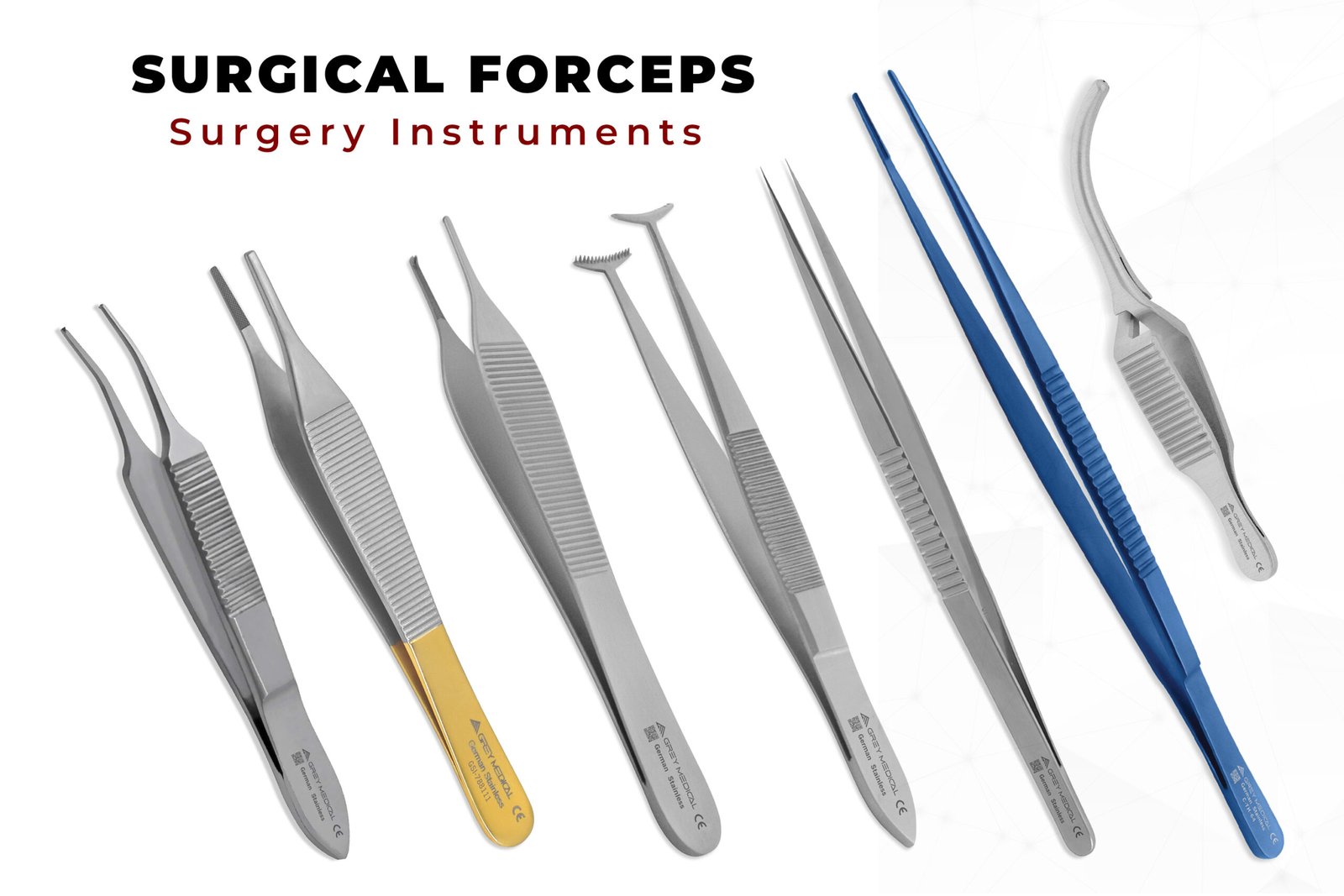
The Essential Role of Surgical Forceps
The primary function of medical tweezers is to provide an extension of the surgeon's hands, enabling delicate maneuvers in confined spaces. Different procedures call for different types of forceps. For instance, dissecting forceps are used for handling delicate tissues during dissection, while hemostatic forceps are designed to control bleeding. The ability to handle tissues without causing additional trauma is paramount, and the specific design of the tips—whether toothed, serrated, or smooth—is chosen based on the tissue type and the required grip strength. This level of specialization ensures that surgeons can perform with accuracy and confidence, minimizing patient risk and improving outcomes.
Innovation in Surgical Instrument Design
The evolution of surgical instruments is a continuous process driven by the need for greater precision, durability, and ergonomic comfort. Companies at the forefront of this field are dedicated to refining these essential tools. GreyMedical®, a privately owned medical technology company, exemplifies this commitment to innovation and excellence. By focusing on the craft of surgical instruments, they help push the boundaries of what is possible in the operating room. The materials used, such as surgical-grade stainless steel, and the manufacturing processes are constantly being improved to enhance the performance of tools like medical tweezers. This dedication ensures that each instrument meets the rigorous standards of modern medicine. The development of specialized medical tweezers is crucial for advancing surgical techniques across various disciplines, from neurosurgery to ophthalmology.
Conclusion
In conclusion, the significance of high-quality surgical instruments cannot be overstated. The humble medical tweezers, or forceps, play a pivotal role in the success of countless procedures daily. Their design, specialization, and the continuous innovation led by dedicated companies ensure that surgeons have the best possible tools. This commitment to precision and quality directly translates to enhanced patient safety and better surgical results, reinforcing the importance of excellence in every aspect of medical technology.
Comments