




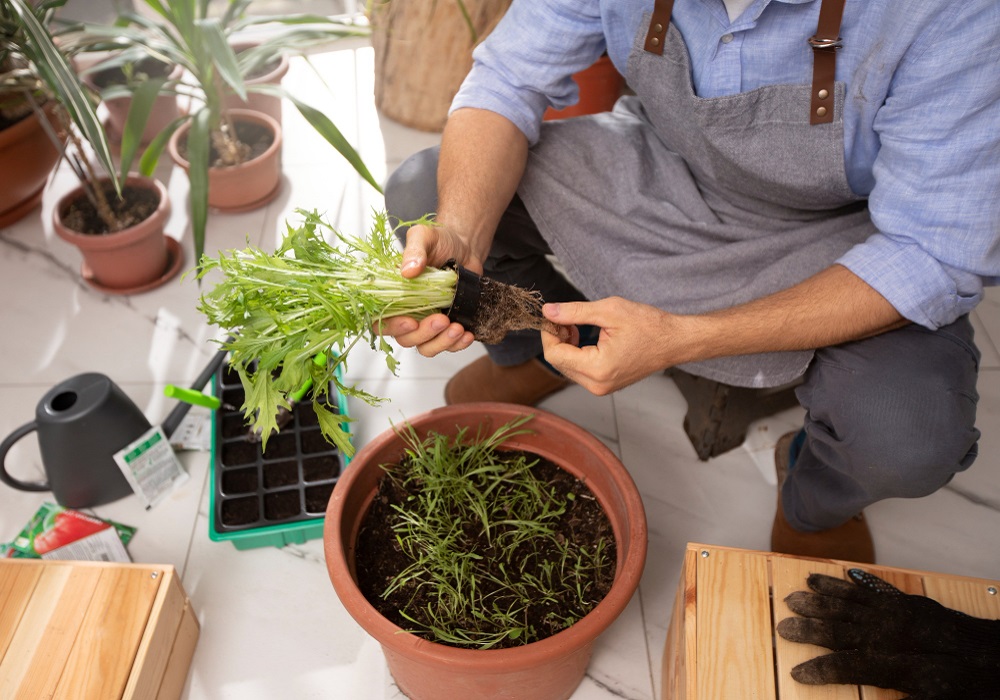
Gardening at home is more than just a hobby. It is a relaxing activity that connects you with nature and gives you fresh, healthy plants right at your doorstep. Whether you grow flowers, herbs, or vegetables, following the right tips for gardening at home can make a big difference in how your plants grow and how much you enjoy the process.
If you are a beginner or even someone with a little experience, these expert tips will help you grow healthier plants with less effort and better results.
Start with the Right Plants
One of the most important tips for gardening at home is to choose the right plants for your space and climate. Do not start with difficult plants. Begin with easy options like money plant, tulsi, mint, spinach, tomato, green chilli, aloe vera, and marigold.
Always consider how much sunlight your space gets. If your balcony or window gets strong sunlight, go for vegetables and flowering plants. If it is mostly shady, indoor plants and leafy greens are a better choice.
Use Good Quality Soil
Healthy plants always start with healthy soil. Avoid using only hard garden soil because it does not drain well and can damage roots. Instead, use a mix of garden soil, compost, and coco peat or sand. This keeps the soil light, airy, and rich in nutrients.
One of the most useful tips for gardening at home is to refresh your soil every few months with compost. This keeps your plants strong and improves growth naturally.
Choose the Right Pots and Containers
Always use pots with drainage holes at the bottom. This prevents water from getting stuck and protects the roots from rotting. Small plants need small pots, while bigger plants like tomato and brinjal need deeper containers.
Clay pots are great for airflow but dry out faster. Plastic pots are lightweight and hold moisture longer. You can choose based on your watering routine and space.
Water Your Plants the Right Way
Watering may look simple, but many plants die because of overwatering or irregular watering. One of the best tips for gardening at home is to always check the soil before watering. It's time to water if the top layer feels dry.
Either in the morning or at night, drink water. In summer, daily watering is usually needed. Most plants can be watered every two to three days during the winter.
Give Your Plants Enough Sunlight
Sunlight is food for plants. The majority of flowering plants and vegetables require four to six hours of sunlight each day. Place your plants where they get proper light.
If some plants start bending towards one side, it means they are not getting equal sunlight. Rotate your pots every few days so that all sides get light evenly.
Feed Your Plants Naturally
Avoid chemical fertilizers for home gardening, especially if you grow vegetables. Natural fertilizers like cow dung manure, vermicompost, compost, and kitchen waste compost are safe and effective.
Feed your plants once every 10 to 15 days. This is one of the most important tips for gardening at home to ensure steady and healthy growth.
Keep Pests Away Naturally
Pests are common in home gardens, but you do not need harmful chemicals to control them. Neem oil spray is one of the safest and most effective natural solutions. You can spray it once every 7 to 10 days.
Also, remove damaged leaves and keep your garden clean. Good airflow between plants also helps prevent pest problems.
Pruning and Regular Care
Pruning is the process of eliminating a plant's weak, dry, or damaged sections. This aids in directing the plant's energy toward robust growth. Regular pruning also improves air circulation and reduces the risk of disease.
Another useful tip for gardening at home is to spend at least 10 minutes daily checking your plants. Early signs of problems are easier to fix.
Do Not Overcrowd Your Plants
Many beginners make the mistake of planting too many plants in one pot. This blocks airflow and limits root growth. Each plant needs space to grow properly.
Follow proper spacing based on the plant type. When plants have enough space, they grow faster and stay healthier.
Grow According to the Season
Growing plants according to the season gives the best results. Summer is great for tomato, chilli, cucumber, and okra. Winter is best for spinach, coriander, carrot, and radish.
One of the smartest tips for gardening at home is to follow a seasonal planting routine. This saves time, effort, and money.
Stay Patient and Enjoy the Process
Gardening teaches patience. Not every seed will grow, and not every plant will survive. That is completely normal. Learn from your experience and keep improving.
The joy of seeing a new leaf, a flower blooming, or a vegetable ready to harvest makes all the effort worth it.
FAQs on Tips for Gardening at Home
1. What are the basic tips for gardening at home for beginners
Start with easy plants, use good soil, water properly, give enough sunlight, and avoid chemical fertilizers.
2. How often should I water my home garden plants
In summer, water once daily. In winter, watering every two to three days is usually enough, depending on soil moisture.
3. What is the best natural fertilizer for home gardening
Compost, vermicompost, cow dung manure, and kitchen waste compost are the best natural fertilizers.
4. Can I grow vegetables at home without a garden
Yes, you can grow many vegetables in pots on balconies, terraces, windows, and even indoors with good sunlight.
5. How can I protect my plants from pests naturally
Neem oil spray, clean surroundings, proper spacing, and regular leaf checks help control pests naturally.
Comments